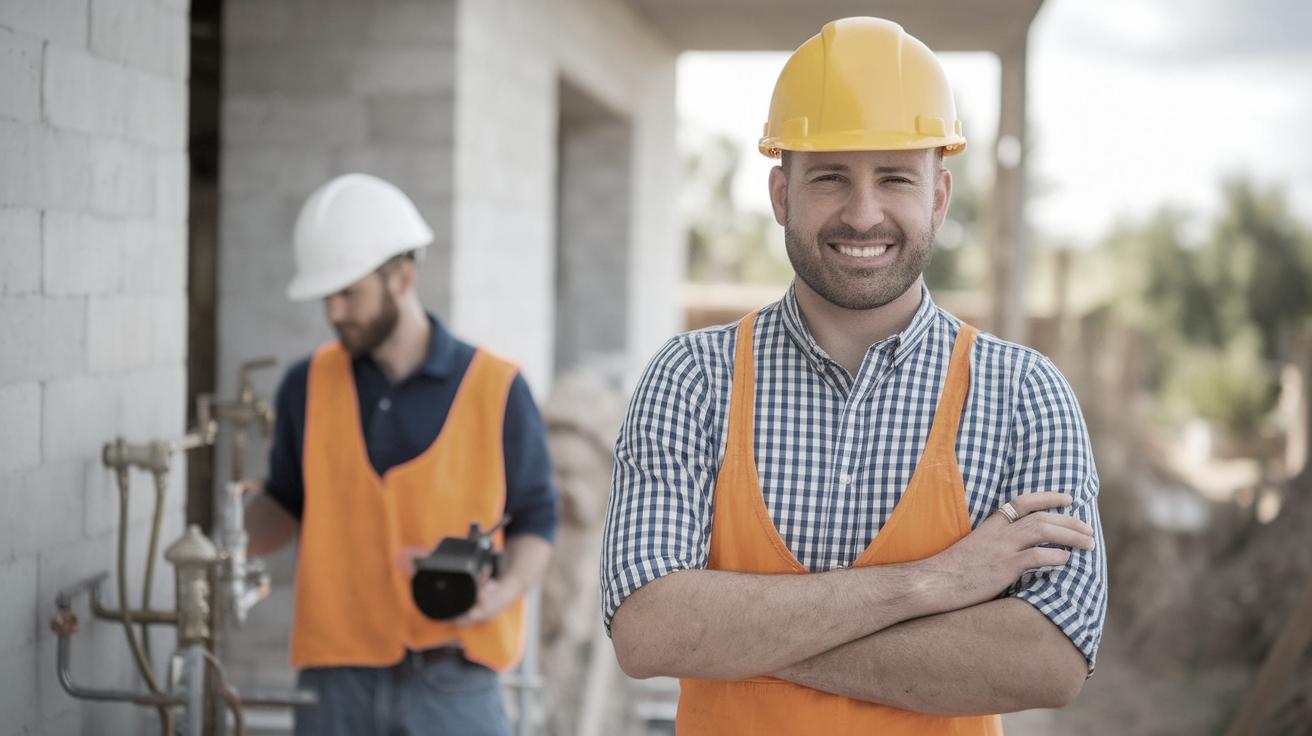
The Essentials of Plumbing in Construction Projects
In any construction project, the integration of a well-designed and efficient plumbing system is crucial. From ensuring clean water distribution to handling waste effectively, plumbing plays an essential role in residential, commercial, and industrial settings. This blog post delves into the key elements that constitute plumbing in construction, including the different systems, components, and maintenance practices. By understanding the fundamentals of plumbing, stakeholders in construction projects can enhance the functionality, safety, and sustainability of buildings. Explore the role of waterworks, modern pipefitting methods, and preventive maintenance to appreciate how these elements contribute to overall building performance.
Importance of Plumbing in Construction
Plumbing is often considered the circulatory system of a building. It ensures the efficient delivery of water necessary for daily activities and the reliable removal of wastewater. An effective plumbing system enhances the comfort, safety, and hygiene of occupants and plays a vital role in environmental sustainability by facilitating water conservation.
Key Components of Your Plumbing System
Identifying critical components such as pipes, faucets, valves, drains, and connectors is necessary to understand their individual contributions. Each of these components is integral to water distribution and waste removal, working together seamlessly to maintain water pressure and ensure sanitation.
Types of Plumbing Systems
Plumbing systems are categorized based on usage and operation, ranging from potable water supply systems to drainage systems. Each type is designed with specific materials and techniques to fulfill its unique function, such as transporting drinking water or disposing of waste.
New Construction Plumbing Process
The plumbing process in new construction starts with system planning and design, followed by the installation of pipes, fixtures, and appliances. This process requires coordination among contractors, engineers, and architects to ensure compliance with building codes and regulations, ensuring safe and effective plumbing operations.
Tips for New Construction Plumbing Projects
To achieve efficient and reliable plumbing in new constructions, it is essential to prioritize proper planning, opt for high-quality materials, and engage specialists experienced in modern piping techniques. Maintaining clear communication with all stakeholders can help anticipate challenges and avoid costly modifications post-installation.
Water Supply and Drainage Systems
Water supply and drainage systems are the backbone of a functioning plumbing infrastructure. They provide a sustainable flow of clean water and facilitate the removal of waste liquids, maintaining sanitation and operational efficiency.
Waterworks Installations
Waterworks involve the installation of infrastructure crucial to manage water sources, storage, and distribution. They include water intakes, treatment plants, pumps, and reservoirs, orchestrated to deliver consistent and safe water supply to buildings.
Pipefitting
Pipefitting involves constructing and maintaining piping systems that convey liquids, gases, and occasionally solids. Professional pipefitters equipped with specialized tools install and repair pipelines to ensure leak-proof joints and efficient fluid transfer.
Components of Plumbing Systems
The intricacies of plumbing systems lie in the details of their components. A holistic understanding of these items, including the various drainage and sewer systems, is vital for efficient plumbing design and installation.
Types of Drainage and Sewer Systems
Drainage and sewer systems can be classified into several types based on their operation and capacity. Each system serves a distinct purpose, from channeling waste from kitchens and bathrooms to managing excess stormwater.
Gravity Drainage Systems
These systems rely on gravity to transport wastewater from fixtures to the sewage lines. They are designed with a slope to encourage the natural flow, keeping maintenance low while ensuring efficient waste removal.
Pressure Drainage Systems
Where gravity is insufficient, pressure drainage systems utilize pumps to augment the force needed for wastewater removal. These systems are ideal for buildings spanning multiple stories or locations with challenging topography.
Combined Sewer Systems
In combined sewer systems, both stormwater and domestic sewage are channeled through a single pipeline. While cost-effective, they can be overwhelmed during heavy rainfall, leading to overflows and pollution.
Separate Sewer Systems
Contrastingly, separate sewer systems use distinct pipelines for rainwater and sewage. They typically offer greater resilience against weather fluctuations, reducing the risk of water contamination and ensuring better environmental protection.
Water Pipes and Fittings
Without reliable pipes and fittings, water supply systems could not function efficiently. Selecting the right materials—such as PVC, copper, or galvanized steel—is critical for ensuring durability and compatibility with your plumbing design.
Installation of Plumbing Systems
Proper installation of plumbing systems involves various stages, from design to testing. Adherence to safety protocols, compliance with architectural plans, and usage of the right tools are all essential components for a successful setup.
Drainage and Sewer Systems
Modern drainage and sewer systems implement advanced designs to separate black and grey water, efficiently divert floodwaters, and ensure regulatory compliance while preventing environmental contamination.
Water Filtration and Treatment
Ensuring the purity of water is a critical aspect of public health and safety. Utilizing water filtration and treatment systems helps in removing contaminants and conditioning hard water for various uses.
Importance of Water Filtration
Filtration systems are installed to eliminate sediments, bacteria, and chemicals, thus safeguarding human health. They contribute significantly to improving water taste and odor while extending the life of piping and appliances.
Water Treatment Methods
These methods can include carbon filtration, reverse osmosis, chemical disinfection, and UV irradiation. Each technique targets specific impurities and pathogens within water supplies, ensuring diverse applications in residential, commercial, and industrial settings.
Plumbing Fixtures and Appliances
Plumbing fixtures and appliances such as sinks, bathtubs, water heaters, and dishwashers are essential for convenience and functionality in modern living spaces, each requiring careful selection and positioning to optimize use.
Types of Plumbing Fixtures
Fixtures like faucets, showerheads, and toilets are integral to the everyday utility of plumbing systems. Varieties exist in terms of material, style, and water efficiency, providing homeowners and builders with versatile options.
Different Appliances
Water heaters, washing machines, and dishwashers improve quality of life by facilitating daily tasks. Correct installation and maintenance are paramount to maximize energy efficiency, prolong lifespan, and prevent accidental water damage.
Plumbing Maintenance and Repair
Regular maintenance and timely repairs contribute substantially to the sustainability and efficiency of plumbing systems. Addressing issues early on can prevent costly damages and disruptions in service.
Importance of Plumbing Maintenance
Routine inspections and preventive upkeep help identify potential weaknesses within a system, reducing the risk of more significant problems and enhancing its operational lifespan.
Common Plumbing Issues
Common issues include leaky pipes, clogged drains, fluctuating water pressure, and malfunctioning appliances. Identifying these problems early can prevent escalations and mitigate potential waste and damage.
Plumbing Repair Techniques
Depending on the severity, repair techniques range from simple replacement of washers to relining or complete repiping. Leveraging the expertise of professional plumbers ensures repairs are handled with precision and durability.
Pipefitting in Construction
Pipefitting is an advanced skill crucial in the construction sector, demanding precision and expertise to ensure optimal performance in high-pressure systems, such as those found in industrial and heating installations.
Roles and Responsibilities of a Pipefitter
Pipefitters are responsible for assembling, installing, and maintaining piping systems. Their work ensures that all pipework meets specified standards, operates under desired pressures, and integrates seamlessly with other construction elements.
Pipe Installation Methods
Various installation methods are applied in plumbing to accommodate different building requirements and site constraints, optimizing for efficiency, cost, and reliability.
1. Traditional Pipe Installation
This method involves laying pipes on-site and joining them using welding or assemblies. Though labor-intensive, it provides flexibility for custom solutions to suit specific project demands.
2. Prefabricated Pipe Systems
Constructing piping systems off-site allows for faster installation with reduced labor costs. Sections are assembled beforehand, minimizing disruptions on construction sites and enhancing precision and quality control.
3. Trenchless Pipe Installation
Trenchless techniques, like pipe bursting and horizontal directional drilling, reduce the environmental impact of digging and allow for the installation and repair of pipes with minimal surface disruption.
Pipe Testing and Inspection
Pipe testing and inspection assure the integrity and durability of a plumbing system. By conducting thorough evaluations, potential leaks, weaknesses, and compliance with standards are verified.
Types of Pipe Testing
Hydrostatic testing, CCTV inspection, and smoke tests are various methods used to examine pipe condition. Each offers unique insights, from pressure capacity to identifying blockages or structural stress points.
Importance of Pipe Testing and Inspection
Regular testing and inspection prevent critical failures, extending the system’s life and supporting reliance on uninterrupted utility services. They play a crucial role in safeguarding buildings against leaks and potential hazards.
Pipefitting Tools and Equipment
Effective pipefitting relies heavily on the availability of specialized tools and equipment. These instruments enhance precision, reduce labor time, and ensure system reliability upon completion.
1. Pipe Cutters
Pipe cutters are essential for achieving clean, straight cuts. They come in various forms, including manual, ratcheting, and power-operated, catering to different materials like copper or PVC.
2. Pipe Wrenches
Pipe wrenches are integral for securing and turning pipes with appropriate torque. The adjustable head and rugged build allow for a firm grip, reducing slippage and ensuring tight connections.
3. Flaring Tools
These tools prepare pipe ends for fitting by expanding them, usually in gas and oil installations. Proper usage guarantees leak-free connections and sustains high-pressure conditions.
4. Pipe Threading Machines
These machines cut grooves or threads on pipe ends to facilitate connections via coupling. They are vital for custom fittings needed for specific project requirements and mass production settings.
Waterworks in the Building Industry
Effective water management is imperative in construction, with waterworks installations ensuring a robust infrastructure that supports water distribution, fire protection, and sanitation across various building environments.
The Importance of Waterworks
Waterworks provide essential support for potable water supply, wastewater treatment, and stormwater collection. They must be resilient and adaptable to meet contemporary demands for efficiency and environmental standards.
Challenges in Waterworks Installations
Challenges include accommodating the existing infrastructure, ensuring regulatory compliance, and implementing innovative solutions to mitigate environmental impact. Collaboration among engineers, planners, and environmentalists is key to overcoming these hurdles.
Water Distribution Systems
Efficient distribution systems ensure the seamless and consistent delivery of clean water to end-users while managing pressure and minimizing losses throughout the network.
Water Conservation in Plumbing Installations
Water conservation remains a top priority in modern plumbing installations, requiring advanced strategies and technologies to optimize consumption, reduce waste, and promote sustainable use across multiple applications.
Related posts:
-
Innovations in Plumbing Technology
-
Understanding the Basics of Eco-Friendly Plumbing
-
Tips for Choosing the Right Plumbing Contractor
Lessons Learned
| Aspect | Key Points |
|---|---|
| Importance | Ensures efficiency and safety; conserves water; vital for hygiene and sanitation. |
| System Types | Different systems cater to varying needs; proper planning crucial for efficiency. |
| Components | Include pipes, valves, and fixtures; careful selection enhances performance. |
| Pipefitting | Key skills needed for proper installation and maintenance of systems. |
| Testing & Maintenance | Regular inspections prevent issues; timely repairs extend system life. |
| Waterworks | Critical in effective water distribution; must address current challenges. |
| Conservation | Essential for sustainable use; incorporates newer technologies and practices. |