Effective Noise Reduction Strategies in Buildings
Noise reduction in buildings is crucial for creating a peaceful and productive environment, particularly in urban areas where ambient noise can pose challenges to focus and privacy. In this blog post, we explore comprehensive strategies for sound control in commercial buildings, including construction methods and specific solutions for walls, windows, doors, floors, and ceilings. We’ll also guide you on how to identify the best solutions for your needs and highlight resources that can assist in creating quieter, more acoustically pleasing spaces.
What Is Sound Control in Commercial Buildings?
Sound control in commercial buildings involves designing and implementing measures to reduce noise pollution, improve acoustic quality, and enhance privacy. This is particularly important in office settings, hospitals, schools, and urban residencies, where noise can disrupt activities and affect well-being.
The goal of sound control is not just to lower the decibel levels but also to manage how sound travels through the building. This typically includes addressing airborne noise, such as conversations and traffic sounds, and structure-borne noise, like footsteps and mechanical vibrations.
6 Factors to Consider for Sound Control
When planning sound control strategies, several factors must be considered. First, the building’s location and proximity to noise sources can significantly influence the choice of materials and solutions, as urban areas have different requirements compared to rural or suburban sites.
Additionally, the intended purpose of each space within the building is crucial. For instance, open-plan offices require different acoustic solutions than lecture halls or private meeting rooms. Occupant density, the type of activities conducted, and the necessary level of speech privacy should be considered to tailor the approach effectively.
Construction Method for Enhanced Sound Control
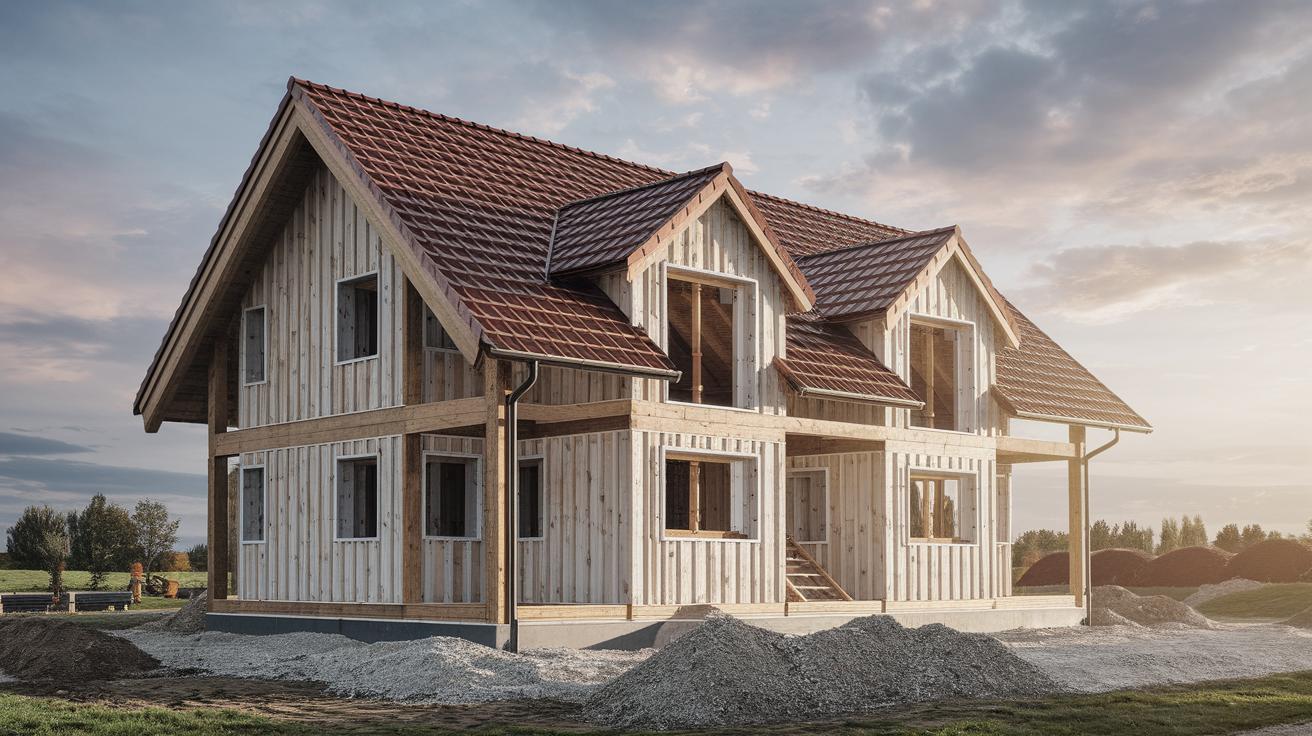
One of the most effective ways to ensure robust sound control is during the initial construction phase. Techniques such as double wall construction, staggering of studs, and floating floors can significantly reduce both airborne and structure-borne noise.
Additionally, incorporate acoustic insulation materials, like mineral wool or fiberglass, between layers of drywall or within wall cavities. These materials help absorb sound waves, preventing them from traveling through structures. Adding resilient channels and sound clips can also further decouple interior walls, minimizing vibrational sound transfer.
Wall Sound Control
Walls serve as one of the primary barriers against noise transmission. To enhance sound control, consider increasing wall mass by using heavier materials, which can help block sound. This can be achieved by adding extra layers of drywall or specialized soundproofing panels.
Sealing gaps and joints in walls is equally crucial, as sound can easily leak through imperfections in construction. Use acoustic caulking and foams to secure these vulnerable areas. Additionally, opt for sound-insulating gypsum boards and wall coverings for better acoustic performance.
Window Sound Control
Windows are often the weakest link in sound control due to their inherent properties. Using double-glazed or triple-glazed windows can significantly enhance sound insulation by creating barriers that sound must pass through.
Window frames also play a role in soundproofing. Opt for high-quality, well-sealed frames to reduce sound leakage. Installing heavier curtains or sound-dampening blinds provides an additional layer of sound absorption, keeping unwanted noise at bay.
Door Sound Control
Doors should not be overlooked when considering sound control as they can be a major source of noise infiltration. Solid core doors provide better sound blockage than hollow ones. Additionally, applying acoustic seals and door sweeps can help fill gaps around door perimeters.
Consider using soundproofing blankets or specialized doors with built-in sound dampening technologies for areas that demand higher noise control levels, like conference rooms or recording studios.
Floor Sound Control
Flooring impacts the level of structure-borne sound within a building. Introducing underlayment materials, such as cork, rubber, or foam, beneath floor coverings can significantly absorb impact noise and vibrations.
In multi-story buildings, employing floating floor systems, where the flooring is separated from the subfloor, also helps isolate sound transfer between levels. Carpeting is another valuable option for dampening noise, especially in areas prone to echo or foot traffic noise.
Ceiling Sound Control
Ceilings are another key aspect in managing sound within spaces. Incorporating acoustic ceiling tiles or panels helps diffuse and absorb sound, reducing reverberation and echo.
Suspended ceilings can further enhance sound control by providing an additional buffer zone between floors. Adding sound absorbent materials above ceiling panels can enhance their effectiveness and contribute to a quieter environment.
How to Find Your Solution for Sound Control
Identifying the right sound control solutions requires a tailored approach. Begin by conducting a thorough analysis of your building’s current acoustic characteristics and identify problem areas using specialized equipment or consulting with an acoustics professional.
Consider your budget, priorities, and the specific needs of the building occupants. Tailor solutions based on these factors, ensuring an effective balance between aesthetic preferences and functional acoustic requirements.
How Acoustical Surfaces Can Help
Partnering with a company that specializes in acoustical surfaces can offer customized solutions that fit your specific needs. Acoustical surfaces like panels, tiles, and barriers can be incorporated into existing designs without compromising aesthetics.
Additionally, such companies provide expert guidance, helping you select the most effective products and installations for your specific sound control challenges. Their specialized knowledge ensures that you achieve optimal acoustic performance for your environment.
Additional Resources
Browse by Application
Applications range from commercial offices, schools, healthcare facilities, to hospitality venues. Each requires different levels of soundproofing and varied solutions to meet specific noise control standards.
Browse by Product Type
Depending on your needs, explore various product types like acoustic panels, soundproof curtains, or noise barriers which offer different levels of effectiveness for sound control.
Creating Better-Sounding Rooms
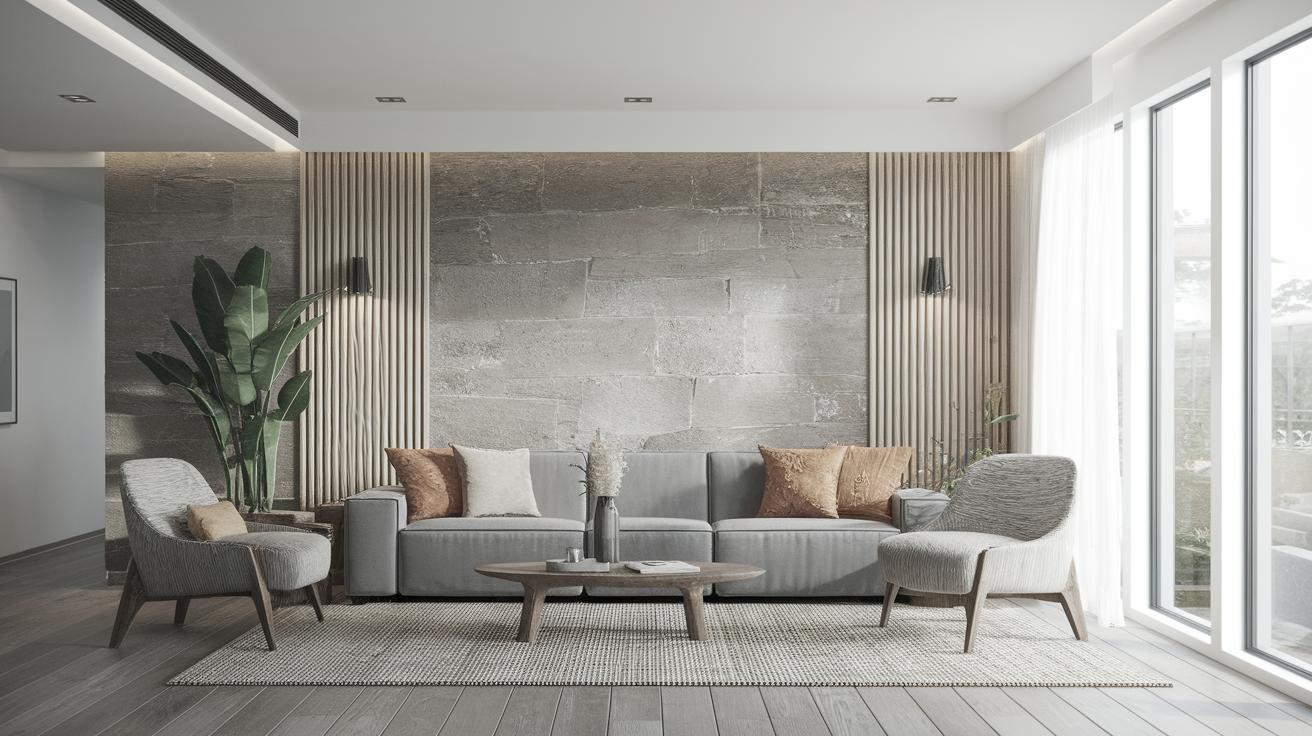
Consider room layout, furniture arrangements, and the introduction of sound-absorbing decor to complement structural soundproofing efforts, creating an acoustically superior room environment.
Solutions to Common Noise Problems
Tackle issues like echoing, conversation privacy, or disruptive outdoor noise with targeted interventions, using techniques such as bass traps, diffuser panels, and strategic room layout adjustments.
Leave a Reply Cancel reply
Your insights on sound control strategies are valuable. We invite you to share your experiences or ask questions in the comment section. [Comment box placeholder]
Summary of Main Points
| Section | Key Points |
|---|---|
| Sound Control in Buildings | Importance of reducing noise pollution and improving privacy in commercial settings. |
| Factors to Consider | Location, building purpose, and occupant activities affect sound control strategies. |
| Construction Methods | Double wall construction and acoustic insulation minimize sound transmission. |
| Wall Control | Increase wall mass and seal gaps for better noise reduction. |
| Window Control | Double glazing and heavier curtains enhance sound insulation. |
| Door Control | Solid-core doors and acoustic seals effectively reduce noise leakage. |
| Floor Control | Use underlayment materials and carpets to absorb impact noise. |
| Ceiling Control | Install acoustic tiles and suspended ceilings for better sound dampening. |
| Finding Solutions | Custom solutions based on building analysis and budget considerations. |
| Acoustical Surfaces | Provide product expertise and custom installations for sound control. |