Best Insulation Options for Energy Efficiency
In today’s world, energy efficiency is not just a choice but a necessity. Efficient insulation can dramatically reduce energy bills, enhance indoor comfort, and minimize environmental impact. This blog post explores the best insulation options available for achieving optimal energy efficiency in your home. We will look into various types including blown-in, interior and exterior renovations, solutions for miscellaneous spaces, and aspects to consider when building new constructions. By understanding the different insulation techniques and materials, homeowners and builders can make informed decisions tailored to their specific needs and conditions. Whether you are upgrading an existing home or constructing a new one, the information presented here will empower you to maximize insulation efficiency, addressing a diverse range of areas and considerations.
7.1 Blown-in Insulation
Blown-in insulation is a versatile option for enhancing energy efficiency that involves filling in wall cavities or attic spaces with insulation material using a blowing machine. Typically, materials used for this method include cellulose, fiberglass, or mineral wool. One of the main benefits of blown-in insulation is its ability to fill hard-to-reach places, creating a seamless thermal barrier against heat loss. It’s particularly useful for retrofitting older homes, as it doesn’t require the removal of existing drywall.
The installation process is relatively straightforward. Professionals use specialized equipment to blow the insulation material into the desired areas. Although it might seem feasible as a DIY project, professional installation is recommended to ensure even distribution and avoid gaps that could compromise energy efficiency. Properly installed, blown-in insulation can significantly bolster the R-value of walls and attics, making it a cost-effective route to energy savings.
Installing the Insulation
When installing blown-in insulation, preparation is key. First, all electrical fixtures and any potential sources of moisture must be carefully sealed to prevent future damage or inefficiencies. Equipment used typically includes a blower or insulation-placement machine which requires skilled handling for optimum results.
During the installation, attention to detail is crucial to achieving uniform coverage. This ensures that the insulation reaches every corner and crevice, limiting heat transfer and optimizing indoor climate control. Blown-in insulation’s adaptability and comprehensive coverage make it a popular choice for both cost savings and enhanced environmental performance.
7.2 Renovating the Interior
7.2.1 Rebuild the Existing Wall
Renovating the interior by rebuilding existing walls provides an excellent opportunity to enhance insulation. This approach often involves removing the drywall, installing new insulation material according to modern standards, and reapplying finishes. The materials typically used include fiberglass batt, rigid foam panels, or spray foam, each with distinct benefits regarding thermal resistance, cost, and ease of installation.
While this method can be labor-intensive and costly, it offers a superior R-value which translates into better insulation performance. For older homes, it’s a chance to update other structural and wiring issues simultaneously. By investing in high-quality materials, homeowners ensure long-term savings on energy bills and improved home comfort, justifying the upfront costs.
7.2.2 Build a New Wall on the Inside of an Existing One
Another effective strategy for increasing insulation involves constructing a new wall inside the existing one. This technique allows for the insertion of additional insulation material without the need to disrupt the existing structural integrity. It’s an excellent solution for older homes with walls lacking adequate insulation.
This method provides additional thermal and sound insulation, enhancing overall home comfort. Furthermore, it offers flexibility in terms of material choices such as spray foam, cellulose, or fiberglass batts, depending on budget and performance priorities. While it requires careful consideration regarding space loss and structural design, the long-term energy savings make this solution attractive for significant energy efficiency improvement.
7.3 Renovating the Exterior
Rigid Board Insulation
Exterior renovations can substantially improve energy efficiency by adding insulation on the exterior walls, often via rigid board insulation. These boards are made from materials like polystyrene or polyisocyanurate, renowned for their high thermal resistance. Ideal for new constructions and energy retrofits alike, rigid board insulation can be installed over existing siding or beneath it, depending on project requirements.
The main advantage of using rigid foam boards is their ability to provide continuous insulation with an excellent R-value. They act as a barrier against thermal bridging, protecting your home from heat transfer more efficiently. Properly installed, these boards not only enhance energy efficiency but also improve the building’s weather resistance, reducing maintenance needs over time.
Batt/Blanket Insulation
Batt or blanket insulation is another option for exterior renovations, generally composed of fiberglass or mineral wool. This method is particularly suitable for homes with wooden frames, as the insulation can easily be fitted into standard wall cavities, providing effective thermal resistance.
Installing batt insulation as part of an exterior renovation helps eliminate cold spots and improves the overall comfort within the home. It’s a cost-effective choice that supports significant reductions in energy usage. When utilized alongside other methods such as rigid board or blown-in insulation, batt insulation can contribute to a layered approach that maximizes a building’s energy efficiency.
7.4 Miscellaneous Spaces: Attached Garages and More
Miscellaneous spaces such as attached garages, basements, and crawl spaces are often overlooked in insulation strategies, yet they present unique opportunities for enhancing energy efficiency. Insulating these areas helps prevent heat loss and provides a more balanced indoor climate.
Safety Warning:
It’s important to consider safety and potential hazards when insulating miscellaneous spaces. Fire-resistant materials should be prioritized, especially in garages where flammable substances are often stored. Attention should also be paid to moisture control, as basements and crawlspaces are prone to humidity.
By choosing appropriate materials and installation techniques, homeowners can leverage these spaces as extensions to the main living areas, optimizing energy usage and comfort. Whether using spray foam or batt insulation, the key is to approach these areas with the same detail and diligence applied to the main parts of the home.
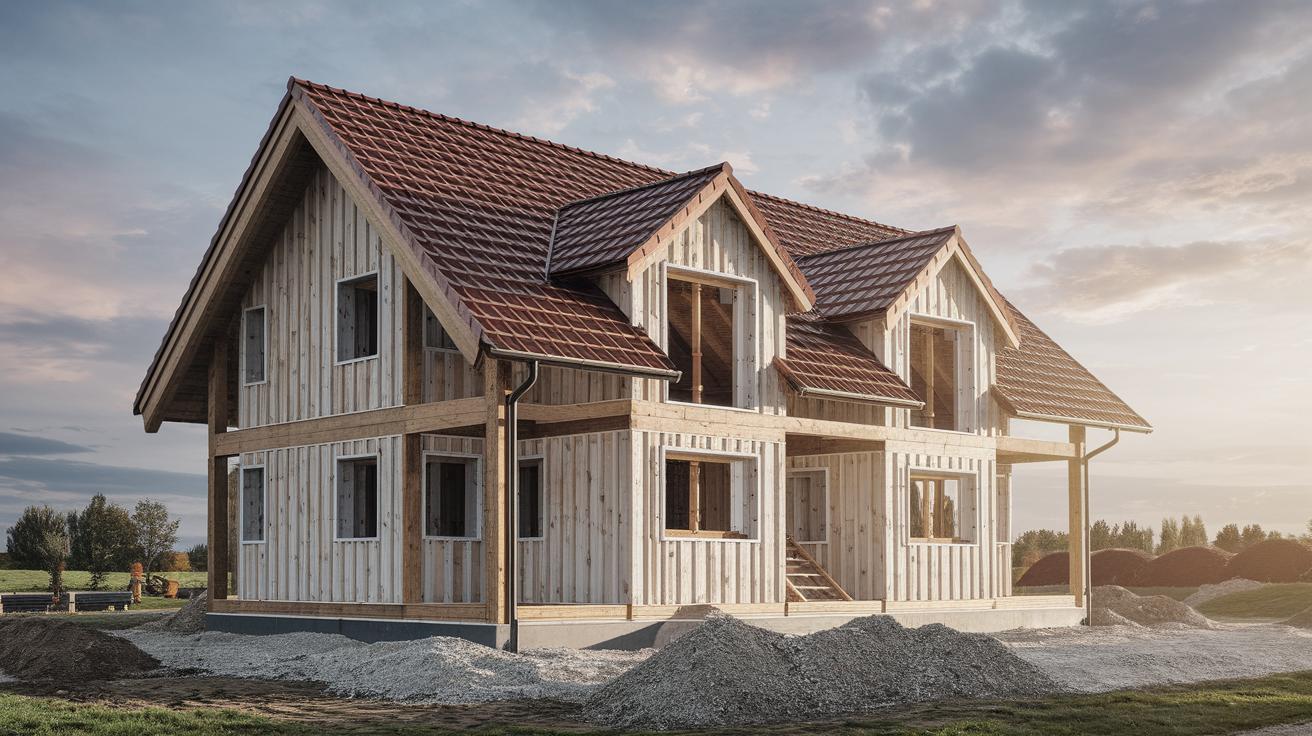
7.5 Additions and New Construction
When planning additions or new construction, insulation becomes an integral part of the design process. The ideal scenario includes integrating insulation considerations early on, utilizing modern materials and techniques to ensure superior thermal performance of the entire structure.
Spray foam and structural insulated panels (SIPs) offer superior performance for new developments, delivering robust thermal resistance and airtight seals. These modern solutions provide minimal air infiltration and deliver consistent energy efficiency, maximizing the investment value over the lifespan of the building.
During the planning stages, collaboration with architects and builders familiar with energy-efficient design principles ensures that the constructions will adhere to high performance and sustainability standards. These early decisions in material and design have the potential to yield substantial energy savings, optimized comfort, and contribute positively towards sustainability goals.
Summary of Main Points
| Insulation Type | Application | Benefits |
|---|---|---|
| Blown-in Insulation | Attics, Wall Cavities | Fills gaps, high R-value, cost-effective |
| Interior Wall Renovation | Existing Walls | Updated structure, improved thermal resistance |
| Exterior Renovation | External Siding | Continuous insulation, improved weather resistance |
| Miscellaneous Spaces | Garages, Basements | Enhanced comfort, extended living space |
| New Construction | New Additions | Advanced materials, integration in design |