Incorporating Renewable Energy in Construction
As the world shifts towards more sustainable practices, the construction industry stands at the forefront of this transformative movement. The adoption of renewable energy sources within construction not only reduces the carbon footprint but also promotes efficiency and innovation. This blog explores critical types of renewable energy sources suitable for construction, highlights industry leaders such as Lafarge Canada who actively integrate green energy solutions, and details actionable steps to participate in revolutionizing the construction domain. Discover how these practices reshape the landscape of building materials production and lead towards a sustainable future.
The Importance of Renewable Energy in Construction
The construction sector is a significant contributor to global greenhouse gas emissions, making the integration of renewable energy sources paramount. These renewable sources decrease reliance on fossil fuels, thereby minimizing environmental impact. In the era of rapid climate change, sustainable construction presents an opportunity to drastically reduce emissions and foster a healthier planet.
Additionally, utilizing renewable energy sources can lead to economic advantages. Green construction practices lower energy costs over the lifespan of a building, while also potentially increasing property values. These practices are increasingly favored by stakeholders, from developers to homeowners, who are keen to adopt eco-friendly initiatives. In turn, construction companies are encouraged to advance their projects with environmentally conscious strategies.
5 Key Renewable Energy Sources in Building Material Production
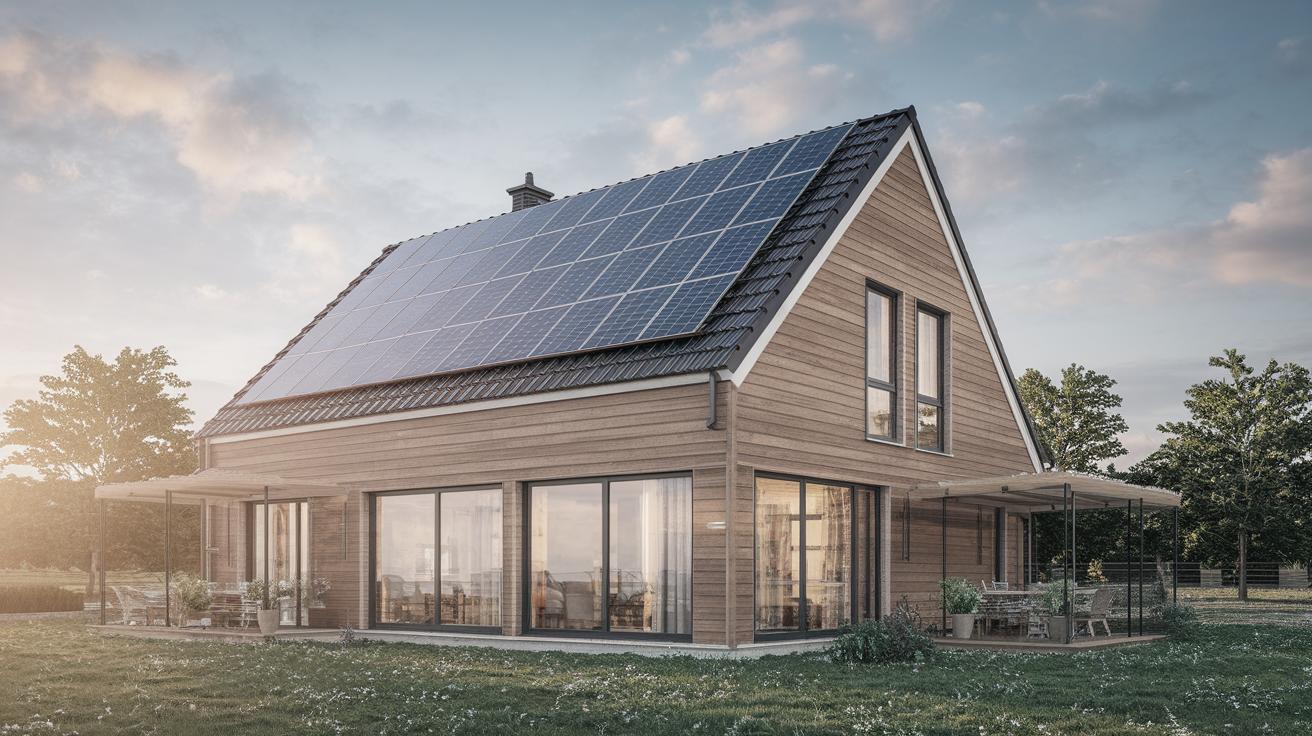
The integration of renewable energy in construction is diverse and multifaceted, extending to the production of building materials themselves. Solar energy, for instance, powers manufacturing plants, reducing reliance on traditional energy sources. In regions with abundant sunlight, solar panels can produce vast amounts of energy, supporting the production processes of materials like concrete and steel.
Wind energy is another viable option, offering a clean, renewable source to power large-scale production facilities. Wind turbines harness natural wind patterns to generate electricity, significantly reducing emissions. Other notable sources include geothermal energy, which provides a constant and reliable heat source, and biomass energy, which utilizes organic materials to create sustainable fuel options.
Lafarge Canada’s Role in Promoting Renewable Energy
Lafarge Canada, a leader in construction materials, has made significant strides in incorporating renewable energy into their operations. Their approach includes substantial investments in wind, solar, and bioenergy. By leveraging these sources, Lafarge Canada demonstrates the feasibility and efficiency of integrating renewable energy into traditional construction practices.
Furthermore, Lafarge’s commitment extends to innovation in product development. Their research into low-carbon materials sets a benchmark for the industry, providing a blueprint for others to follow. This dedication underscores the significant impact renewable energy can have on reducing carbon emissions in construction, encouraging widespread adoption of sustainable practices across the field.
Join Us in Revolutionizing the Construction Industry
The call to action is clear: there is an urgent need for the construction industry to continue its transformation towards sustainability. By adopting renewable energy sources, businesses can not only bolster their efficiency and reduce costs but also align with global efforts to combat climate change. Industry leaders and newcomers alike are encouraged to prioritize sustainability in their projects, setting a standard for the future of construction.
Participation in this revolution extends beyond simply using green technologies; it requires a commitment to ongoing education and adaptation to new strategies and innovations. As technologies evolve, so too should the practices within the construction industry. Investors, policymakers, and consumers must collaborate to support and implement renewable energy initiatives, ensuring a sustainable future for generations to come.
Lessons Learned
| Aspect | Key Points |
|---|---|
| The Importance of Renewable Energy | Reduces carbon footprint, promotes economic benefits, enhances property value. |
| Key Renewable Energy Sources | Solar, wind, geothermal, biomass energy lead to reduced emissions and efficient production. |
| Lafarge Canada’s Role | Pioneer in renewable integration, innovation in low-carbon materials. |
| Revolutionizing Construction | Urgent call for commitments to sustainability, collaboration for a sustainable industry future. |