Essentials of Landscape Design in Building Projects
Landscape design in building projects involves a thoughtful process that integrates the natural environment with built structures. This article delves into the core aspects of landscape design, providing an insight into understanding the site, the user’s needs, and how various themes can be incorporated. We discuss the creation and linkage of spaces, plant functionality, and the structuring of plantings to enhance aesthetics and functionality. Detailed attention to elements and the factor of time play crucial roles, as does the protection of resources throughout the project. The article aims to provide a comprehensive guide for anyone interested in melding architecture with nature, ensuring sustainable and pleasing environments.
The Design Process
Understand Your Site
Understanding the site is the foundational step in landscape design. Key aspects include analyzing topography, soil quality, climate, and the existing flora and fauna. These components largely influence plant selection and the overall design layout. For example, a sloped terrain might require terracing for stability, while soil type can dictate plant choices in terms of nutrient availability and water retention.
Furthermore, site understanding extends to recognizing existing structures or pathways and any legal guidelines or restrictions. This step might involve detailed site surveys and consultations with ecological experts to ensure compliance with environmental regulations. A comprehensive site analysis helps in crafting a design that harmonizes with its environment while foreseeing potential challenges.
Remember the User
In any design process, the end-user’s needs and experience should remain a top priority. A well-designed landscape accommodates the practical and aesthetic preferences of its users. For example, residential landscapes might prioritize privacy and recreation spaces, while public or commercial projects might focus on ease of access and low maintenance.
Understanding who will use the space influences all aspects of the design, from the types of plants used to the layout of pathways and seating areas. Engaging with clients or stakeholders to get their input can ensure a final design that meets their expectations and enhances their interaction with the space on a daily basis.
Use a Form and/or Style Theme
Selecting a form or style theme provides the landscape project with coherence and unity. Styles can range from naturalistic to formal, minimalist to intricate, depending on the site’s context and the client’s preferences. The choice of theme dictates the use of lines, shapes, and focal points throughout the design.
A successful theme harmoniously integrates with the building’s architecture and the surrounding environment. For instance, a contemporary home might pair well with a minimalist zen garden, while a Victorian house could benefit from a lush, elaborate garden. The theme acts as a guideline for plant selection, color palettes, and structural elements.
Create and Link Spaces
Creating distinct yet interconnected spaces within a landscape helps in defining functionality and flow. This approach is akin to designing rooms within a house, where each area serves a specific purpose, yet seamlessly connects to the others.
Linking spaces can be achieved through thoughtful placement of paths, use of recurring materials or plant species, and strategic viewpoints or vistas. These elements ensure movement from one space to another feels intentional and fluid, improving the user experience by providing clear navigational cues and continuous visual interest.
Consider the Function of Plants
Plants serve multiple functions in landscape design, ranging from aesthetic roles to environmental benefits. Strategically placed trees and shrubs can provide shade, act as windbreaks, and enhance privacy. Plants also contribute to the local ecology by supporting wildlife like birds and pollinators.
It’s essential to consider the growth habits, maintenance needs, and seasonal changes of chosen plant species. This consideration ensures the landscape remains healthy and visually appealing across different times of the year, while also adhering to sustainability principles.
Structure the Plantings
The structure of plantings involves layering vegetation to create depth and dimension in the landscape. This can be achieved by selecting plants of varying heights, textures, and colors that complement the overall design concept. The arrangement of plants should reflect the form and style theme chosen during the design process.
A well-structured planting design allows for a dynamic landscape that captures interest throughout the year. Utilizing native and adaptive plant species can enhance sustainability by promoting biodiversity and reducing maintenance requirements.
Highlight Important Points
Important points in the landscape should be highlighted to draw attention and create focal areas. This might include architectural features, water elements, or artworks. By incorporating colorful plantings or distinct textures, these focal points stand out and enhance the overall aesthetic of the design.
Utilizing lighting can further emphasize these key areas, transforming them into nighttime attractions. This adds a new dimension to the landscape, ensuring it remains engaging and functional regardless of the time of day.
Pay Attention to Detail
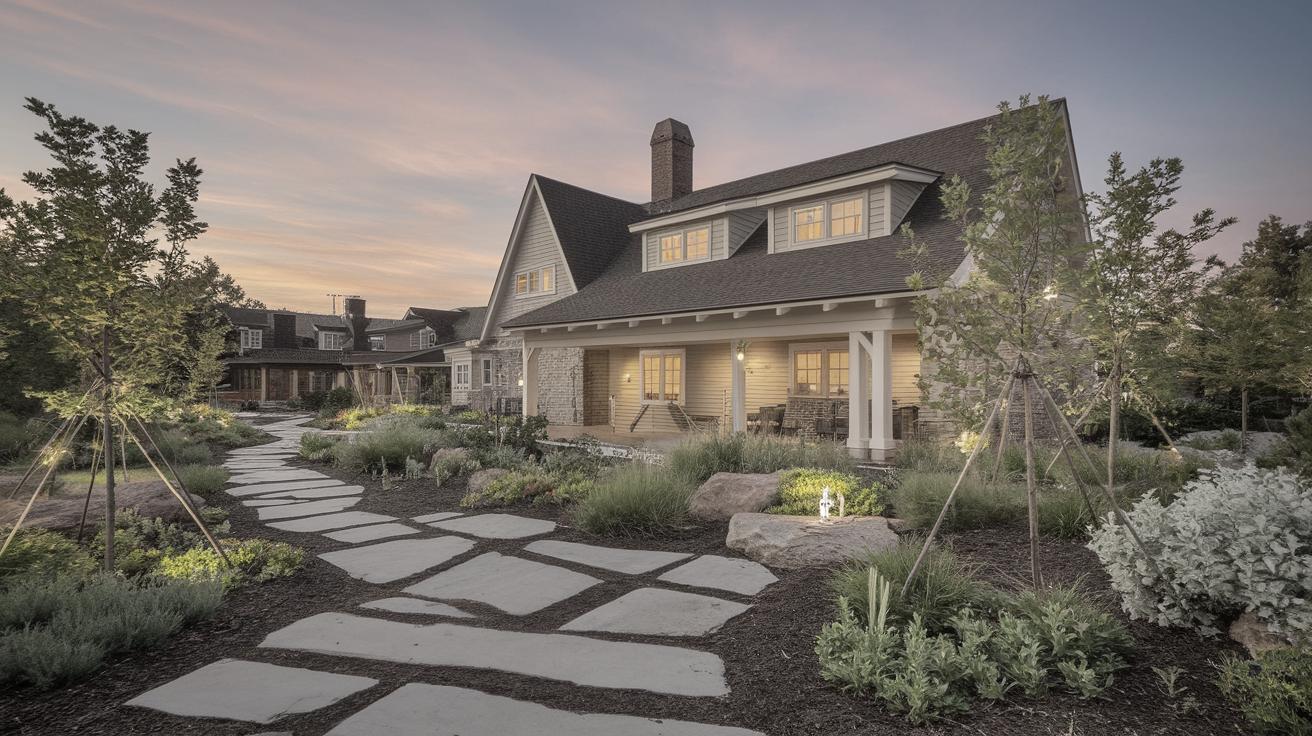
The attention to detail in landscape design can make a substantial difference to the overall quality of the project. This involves considering elements such as the materials for pathways, edging, the arrangement of plantings for maximum color impact, and even how fixtures like benches or lighting are positioned.
Details contribute to the narrative of the design, reinforcing the chosen theme and improving functionality. They ensure the space feels cohesive, intentional, and welcoming, aiding in drawing people into the environment.
Take Time into Account
Landscape designs must consider the element of time, understanding that landscapes are dynamic and evolve over years. Initial plantings may need to account for growth, with designs anticipating how spaces will mature and fill out.
Furthermore, seasonal changes should guide the selection of plant species to maintain visual interest throughout the year. Designers should anticipate how the landscape will transform and plan for maintenance to sustain its health and beauty over time.
Protect Your Resources
Resource protection is an essential aspect of sustainable landscape design. This includes efficient water usage, soil preservation, and choosing materials that minimize environmental impact. Techniques like rainwater harvesting and xeriscaping can reduce water consumption significantly.
The use of native plants can decrease the need for chemical fertilizers and pesticides, leading to a healthier ecosystem. Designers must prioritize practices that conserve resources, aligning their projects with environmental sustainability goals and reducing long-term costs.
Summary of Main Points
| Section | Key Points |
|---|---|
| The Design Process | Understanding the site, considering the users, choosing a theme, and creating linked spaces. |
| Plants and Structure | Plants’ functionality, structuring plantings, and creating focal points for aesthetics and purpose. |
| Details and Sustainability | Attention to detail and considering time and resource conservation for long-term success. |
Sources
– Smith, J. (2022).
The Art of Landscape Design
. Publisher Name.
– Doe, A. (2021). “Creating Sustainable Landscapes”,
Journal of Environmental Design
, 12(4), 244-259.
– Landscape Institute. (2023).
Landscape Guidelines for Urban Developments
. Available at: [landscapeinstitute.org](https://www.landscapeinstitute.org).