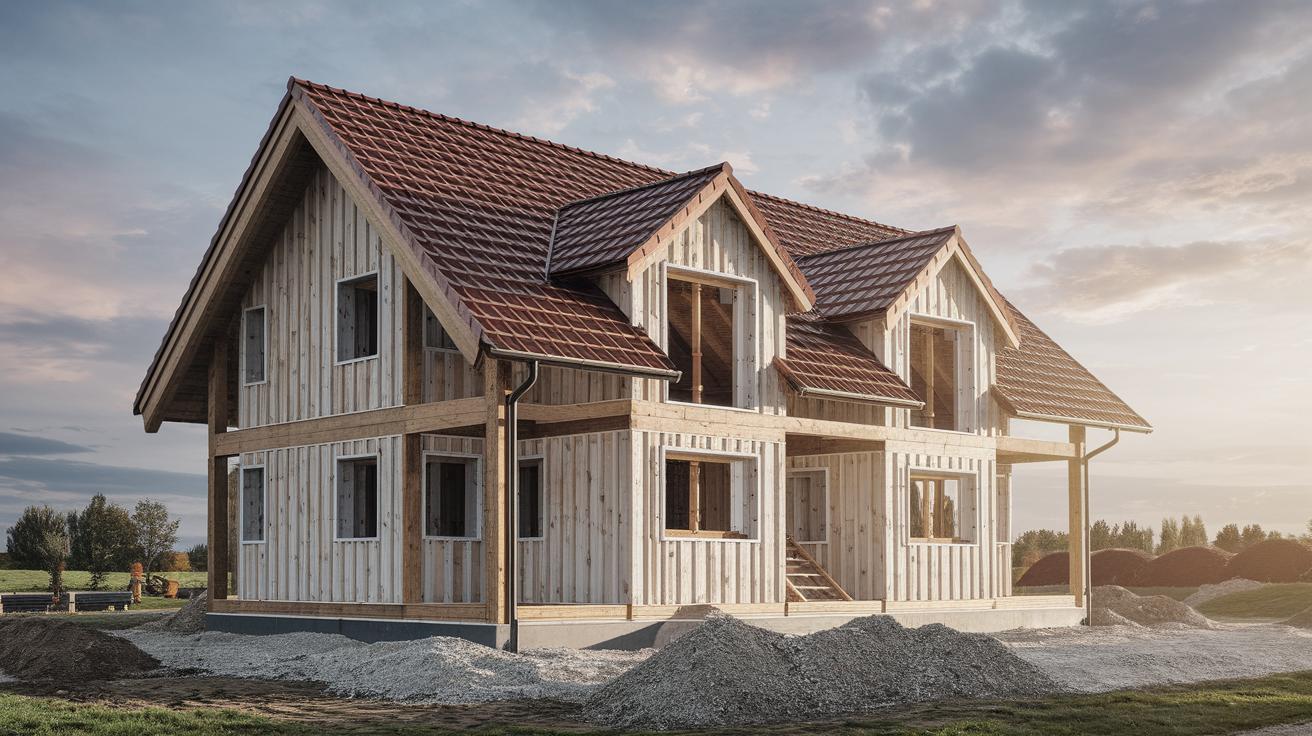
Incorporating Cultural Elements in Building Design
The infusion of cultural elements into building design is a practice that harmonizes architecture with its surroundings, creating buildings that resonate with the spirit of their locale. This approach requires an intricate understanding of the local culture, environment, and technological advancements. This article explores the importance of understanding local cultures and places, conducting comprehensive research, engaging community participation, and incorporating sustainability and modern innovation. By doing so, architects and designers can create more meaningful, innovative, and contextually relevant structures. This holistic method not only respects traditions but also pushes the boundaries of design to meet contemporary needs while preserving cultural integrity.
Understanding Culture and Place
Understanding culture and place is the cornerstone of any design that seeks to incorporate cultural elements into building architecture. It requires an appreciation of the socioeconomic dynamics, historical contexts, and traditional practices of a locale. Each region has a unique set of values, beliefs, and traditions that can significantly inform the design process. By recognizing these cultural nuances, architects can create buildings that reflect the identity and pride of the local community.
Furthermore, geographical and climatic conditions play a crucial role in shaping cultural expressions and, therefore, should guide architectural design. For instance, in tropical climates, homes often feature open plans and high ceilings to facilitate ventilation. In contrast, structures in colder areas commonly use materials and designs suited to retaining heat. By aligning design with environmental characteristics, buildings can achieve functional harmony with their natural surroundings.
Research and Contextual Analysis
Research and contextual analysis are vital stages that lay the foundation for culturally enriched building design. This process involves an in-depth examination of the region’s historical, social, and environmental aspects. By utilizing both qualitative and quantitative research methods, designers can better grasp the prevailing cultural themes and narratives that should influence the project’s outcome.
Contextual analysis also entails looking at how past building designs in the area have been influenced by and adapted to cultural and natural elements. By understanding these historical patterns, architects can identify persistent motifs or concepts that could be reimagined in modern designs. This fusion of old and new not only preserves cultural heritage but also invigorates it with contemporary relevance.
Incorporating Cultural Elements
Incorporating cultural elements into building design involves more than mere aesthetic choices. It requires a holistic approach that integrates cultural motifs, local materials, and traditional building techniques. Materials sourced from the local environment often carry cultural significance and are typically better suited to regional climates. Utilizing such elements can enhance the cultural resonance and sustainability of a structure.
Traditional architectural styles often serve as a blueprint from which modern designs can draw inspiration. By reinterpreting these styles through innovative methods and materials, architects can ensure that new structures honor cultural legacy while still addressing contemporary functional needs. The key is to blend tradition with modernity, ensuring that each building tells a story rooted in cultural ancestry.
Engaging with Local Communities
Engaging with local communities is an essential step in ensuring that building designs authentically reflect cultural elements. Community involvement invites diverse perspectives and fosters a sense of ownership and pride in the resulting architecture. Developers and designers should facilitate dialogues with residents, cultural leaders, and stakeholders to gather insights and understand community aspirations.
Participatory design processes can also help identify community-specific challenges and opportunities that might not be evident from an outsider’s perspective. By incorporating feedback and input from local voices, designs can be fine-tuned to better serve the needs and desires of the community, ultimately leading to more successful and sustainable projects.
Sustainability and Environmental Integration
The integration of sustainability and environmental considerations into building design is a natural extension of incorporating cultural elements. Many traditional building practices were inherently sustainable, utilizing materials and techniques that were naturally abundant and environmentally friendly. Drawing lessons from these traditions can guide modern sustainability practices.
Environmental integration involves designing structures that not only coexist with but also enhance their natural surroundings. Buildings can incorporate elements such as natural lighting, green spaces, and passive solar design that reduce energy consumption and promote ecological harmony. This approach ensures that architecture is not merely an imposition on the landscape but rather a harmonious part of the ecological tapestry.
Embracing Modernity and Innovation
While it is crucial to respect cultural traditions, embracing modernity and innovation enables more flexible and adaptive designs. Technological advancements have opened up new possibilities for incorporating cultural elements. For instance, digital fabrication techniques allow for the creation of intricate designs that would be prohibitively expensive or complex using traditional methods.
Innovations in building materials and construction techniques provide opportunities to merge cultural elements with cutting-edge technology. Smart homes and sustainable building systems can be infused with cultural motifs, enhancing both the functionality and the cultural richness of the structure. Balancing tradition with innovation ensures that buildings are not only culturally significant but also equipped to address the needs of future generations.
Future Prospects
The future of architectural design lies in the delicate balance of cultural preservation and innovation. By thoughtfully integrating cultural elements, engaging with communities, and prioritizing sustainability, developers and designers can create structures that are both timeless and forward-thinking. The dialogue between tradition and modernity in building design promises to yield spaces that are not only functional but rich in cultural depth.
As more architects focus on these principles, the architectural landscape will evolve into a tapestry of designs that not only serve the inhabitants but also tell the stories of the communities and cultures they originate from. This sustainable and inclusive approach holds the potential to transform our built environment into a celebration of human diversity and environmental stewardship.
| Section | Summary |
|---|---|
| Understanding Culture and Place | Importance of recognizing local cultural nuances and environmental conditions to inform architectural design. |
| Research and Contextual Analysis | Utilizing research to understand historical, social, and environmental influences on design. |
| Incorporating Cultural Elements | Integrating local materials and traditional styles while blending tradition with modernity. |
| Engaging with Local Communities | Involving local voices in the design process to better reflect community needs and aspirations. |
| Sustainability and Environmental Integration | Using traditional practices for sustainable designs that enhance natural surroundings. |
| Embracing Modernity and Innovation | Balancing tradition with technological advancements to create adaptive and functional buildings. |