The Benefits of Vertical Gardens in Urban Construction
In recent years, vertical gardens have become a popular feature in urban construction projects around the world. These living walls not only add a visually appealing element to cityscapes but come with a multitude of benefits that address many urban challenges. From reducing noise pollution to improving air quality and health, vertical gardens can transform urban environments into healthier and more sustainable areas. This blog post delves into various benefits of incorporating vertical gardens in urban construction, exploring how they minimize noise, boost health, enhance air quality, and offer solutions for sustainable urban living, including growing food. We’ll also provide insights into the potential changes cities can anticipate when adopting these green innovations.
Adding a Vertical Garden
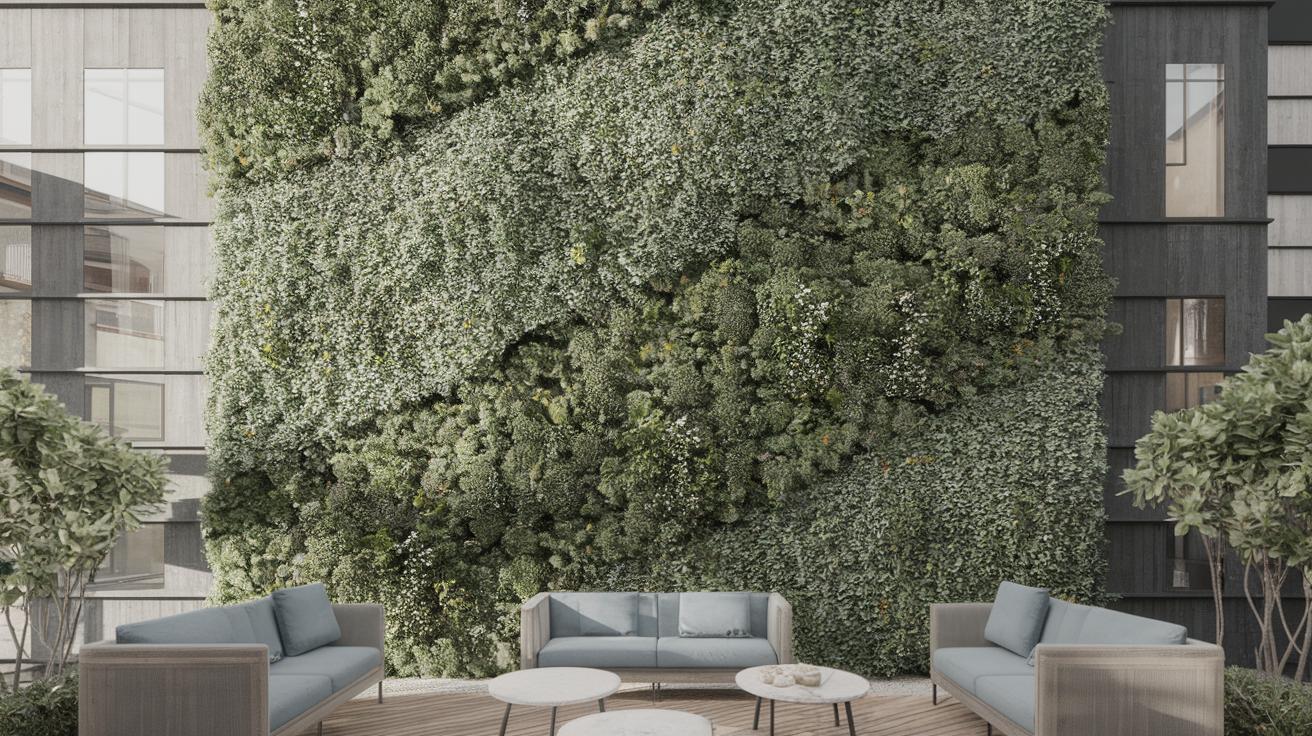
Vertical gardens, sometimes referred to as green walls, are panels of plants grown vertically using hydroponics or soil, usually on structures like the exteriors of buildings. They provide a refreshing visual contrast in urban landscapes dominated by concrete and glass. In addition to aesthetic benefits, vertical gardens also maximize space usage, making them ideal for densely populated cities where land is scarce.
The implementation of vertical gardens can be both functional and artistic, enhancing architectural designs while deriving ecological benefits. Architects and urban planners increasingly view them as critical components of sustainable urban design, integrating nature into spaces previously void of greenery. As cities expand and green spaces decrease, vertical gardens serve as a bridge, reconnecting urbanites with nature.
Vertical Gardens Can Minimize Noise Pollution
Noise pollution is a significant concern in bustling urban environments, contributing to stress and health issues among residents. Vertical gardens act as natural sound buffers, absorbing and deflecting sound waves. The leaves, stems, and other components of the plants interfere with sound wavelengths, providing a quieter environment both inside and around the buildings.
These living barriers are particularly beneficial when implemented on city buildings adjacent to busy roads or commercial areas. By reducing noise levels, vertical gardens create more serene atmospheres and improve the quality of life for urban dwellers, promoting more tranquil communities in the heart of city life.
Vertical Gardens Can Improve Your Health
Traditional urban settings often limit access to nature, which can negatively impact physical and mental health. Vertical gardens introduce natural elements back into these environments, offering various health advantages. Scientific studies have demonstrated that exposure to greenery can reduce stress, anxiety, and depression while boosting mood and overall well-being.
Furthermore, by promoting mental health, vertical gardens also encourage physical activity. An environment enhanced with vertical greenery is more inviting, motivating people to engage in outdoor activities like walking or cycling, ultimately contributing to healthier lifestyles.
Vertical Gardens Improve Air Quality
Urban pollution is a pressing issue worldwide, with cities struggling to maintain healthy air quality levels. Vertical gardens assist in mitigating this problem by absorbing pollutants like carbon dioxide, benzene, and formaldehyde. The plants also produce oxygen, which further enhances the air quality, making cities healthier places to live.
Moreover, these green installations act as natural filters by trapping dust and other particulate matter, reducing their spread in the air. This filtration capability is particularly crucial in densely populated urban areas where vehicular emissions contribute significantly to air pollution.
Vertical Gardens Improve Life in a Big City
Aside from their environmental benefits, vertical gardens add tremendous value to urban life in other ways. They can transform cityscapes into vibrant, lush environments that are more enjoyable for residents and visitors alike, fostering a sense of community and improving public spaces.
Vertical gardens also increase property values and attract tourism, making them a sound investment for businesses and local governments. Their aesthetic appeal enhances the visual landscape of cities, turning ordinary structures into landmarks and capturing public interest and imagination.
Growing Your Own Food in a Vertical Garden Means Producing Less Waste
One of the most exciting applications of vertical gardens is urban agriculture. By growing edible plants on vertical structures, city dwellers can have direct access to fresh produce, reducing the need for food transportation and packaging, which ensures lower carbon footprints and minimal waste generation.
This localized food production can enhance food security and self-sufficiency in urban communities. It empowers individuals and communities to reduce their dependency on external suppliers, promotes sustainable living practices, and fosters a deeper appreciation for food sources.
In Conclusion
As cities continue to grow and face the challenges of urbanization, vertical gardens present a sustainable solution, blending nature into the urban fabric. They offer numerous benefits from improving air quality and health to providing locally grown food and enhancing urban aesthetics.
| Benefit | Description |
|---|---|
| Minimize Noise Pollution | Acts as a sound buffer, creating quieter environments. |
| Improve Health | Reduces stress and enhances physical and mental well-being. |
| Improve Air Quality | Absorbs pollutants and produces oxygen for cleaner air. |
| Enhances Urban Life | Transforms cityscapes, boosts property values, and fosters community. |
| Reduced Waste from Food Production | Enables urban agriculture, lowering carbon footprints and enhancing self-sufficiency. |
Next steps involve encouraging urban planners and developers to incorporate more vertical gardens in the infrastructural design of cities worldwide, promoting greener, healthier, and more sustainable urban futures.