How to Choose Between Traditional and Contemporary Design Styles
When it comes to designing your living space, choosing between traditional and contemporary furniture styles can be a critical decision that sets the tone for your entire home. Each style carries unique characteristics, offering diverse aesthetics and functionality. Whether you’re drawn to the elegant charm of classic pieces or the sleek lines of modern design, understanding these styles’ nuances is key to creating a harmonious living environment. In this article, we’ll delve into the essence of contemporary and traditional furniture, explore their distinct differences, and provide insights on how to incorporate each style into your home. With practical tips and ideas, you’ll be better equipped to choose the furniture style that truly resonates with your personality and complements your space.
Understanding the Essence of Contemporary Furniture Design
Contemporary furniture design is characterized by its minimalistic lines, neutral color schemes, and innovative use of materials. It often embraces a sense of simplicity and functionality that aligns with the modern way of living. The focus is on clean, geometric shapes, prioritizing form and function without unnecessary embellishments, which makes it ideal for those who appreciate a clutter-free environment.
This design style evolves constantly, adapting to the latest trends and technologies. Unlike modern furniture, which refers to a specific period, contemporary design is dynamic and fluid. Its versatility allows homeowners to create a personalized space that can easily be updated over time. Materials like metal, glass, and polished wood are commonly used to add a sleek and sophisticated look.
Exploring the Timeless Appeal of Traditional Furniture Design
Traditional furniture design is synonymous with elegance and refinement. Rooted in the styles from the 18th and 19th centuries, it often features intricate detailing, rich wood tones, and sumptuous fabrics. The emphasis is on craftsmanship and durability, with an aesthetic that speaks volumes about luxury and comfort.
This style brings a sense of history and nostalgia into a home, often utilizing elements such as turned legs, upholstered chairs, and ornate carvings. It celebrates balance and symmetry, creating spaces that feel both harmonious and grounded. Traditional design is perfect for those who appreciate a more formal environment with a touch of classical beauty.
Key Differences Between Contemporary and Traditional Furniture
The primary differences between contemporary and traditional furniture lie in form, materials, and overall aesthetics. Contemporary furniture leans towards minimalism with open spaces and light color palettes, while traditional furniture embraces intricate designs, deep colors, and heavier silhouettes.
Materials in contemporary design include metal, glass, and synthetic fibers, generating a sleek, industrial feel. In contrast, traditional design favors natural materials such as rich woods, like mahogany or cherry, along with plush fabrics such as velvet and leather. Each style delivers distinct moods—contemporary being cool and modern, while traditional evokes warmth and coziness.
How to Incorporate Contemporary Furniture in Your Home
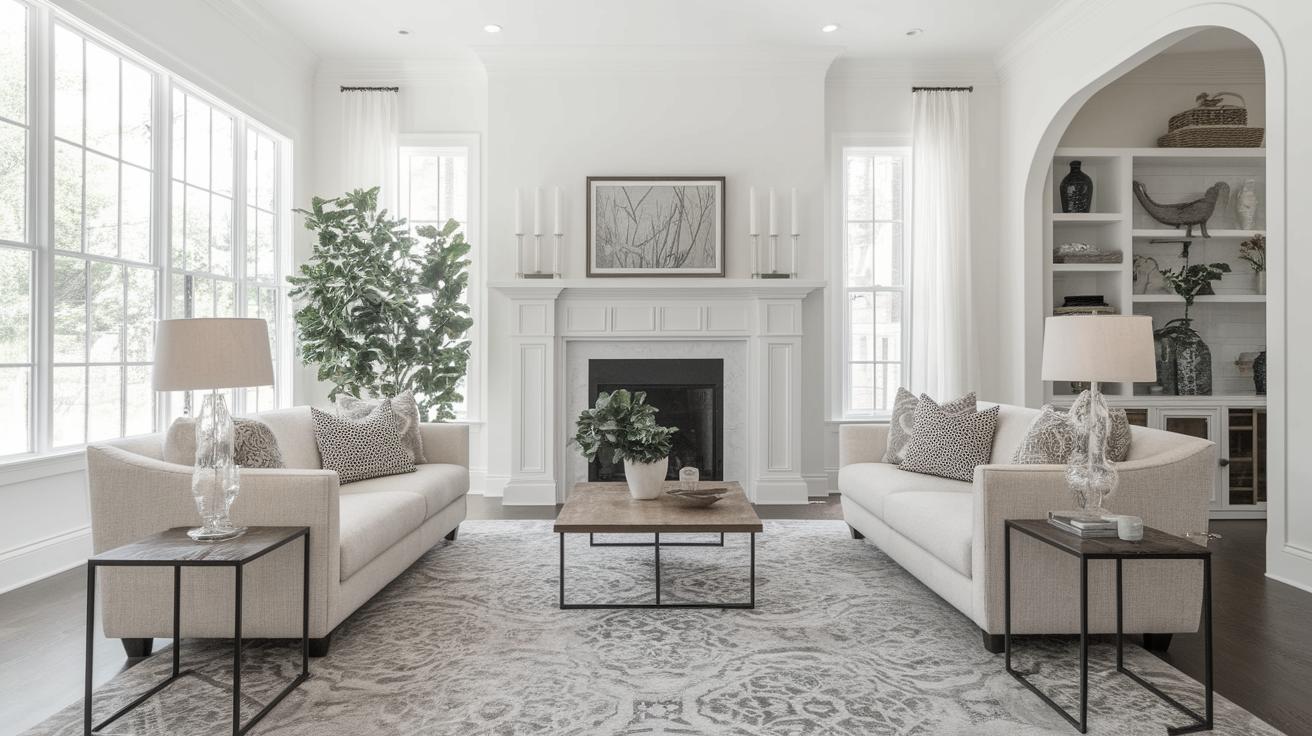
To infuse contemporary style into your home, start with a neutral color palette. Whites, blacks, grays, and earth tones allow the furniture’s form and structure to stand out. Look for pieces with clean, straight lines and consider open-plan living areas to enhance the sense of space and light.
Incorporating contemporary furniture also involves selecting sleek decor elements. Choose art pieces and accessories with simple designs that complement the furniture. Consider innovative lighting solutions such as pendant lamps or track lighting to add depth and dimension. Remember, less is more, so keep decorative elements to a minimal to maintain a cohesive look.
Creating a Traditional Ambiance with Classic Furniture
Creating a traditional ambiance begins with selecting furniture pieces that highlight detailed craftsmanship and rich textures. Opt for furniture with features like carved woodwork, tufted upholstery, and curves that add elegance to the space. Rugs with classic patterns can further amplify the traditional feel.
Enhance the setting with warm, inviting colors—deep reds, golds, and browns can make a room feel cozy and sophisticated. Accessories such as ornate picture frames, mirrors with gilded edges, and heavy drapery can bring a sense of timeless grandeur to the space. Balance and symmetry are pivotal, so arrange furniture and decor to create an orderly and harmonious environment.
How to Choose Between Contemporary and Traditional Furniture for Your Space
Choosing between contemporary and traditional furniture requires considering your personal preferences, lifestyle, and the architecture of your home. Begin by reflecting on which style resonates more with you emotionally, and envision how each style would function within your space’s existing layout.
Consider factors such as maintenance and how either style will serve your needs day-to-day. Contemporary furniture may suit those who prefer ease of upkeep and a sleek look, while traditional furniture may attract those who love in-depth detailing and heritage. It’s also possible to blend styles by introducing eclectic accents that bring harmony between the starkness of modern designs and the warmth of traditional style.
Embrace Your Preferred Furniture Style for a Home You’ll Love
Whichever design style you choose, ensure it reflects your personality and enhances your living experience. Your home should be a sanctuary where comfort transcends aesthetics; thus, selecting furniture that you not only appreciate visually but also enjoy living with is key.
Remember, trends in furniture styles can ebb and flow, but a home that genuinely represents who you are will never go out of fashion. Whether you choose the timeless allure of traditional furniture or the ever-evolving world of contemporary design, your space should ultimately be a canvas for self-expression. Most importantly, take your time to curate a space you will cherish and adore coming home to.
Final Thoughts
| Aspect | Contemporary | Traditional |
|---|---|---|
| Style Characteristics | Minimalistic, sleek, evolving | Elegant, ornate, timeless |
| Color Palette | Neutral, earth tones | Rich, warm tones |
| Materials | Metal, glass, synthetics | Wood, leather, velvet |
| Design Focus | Functionality, space, light | Craftsmanship, balance, harmony |
| Ideal For | Modern, dynamic spaces | Cozier, classic homes |