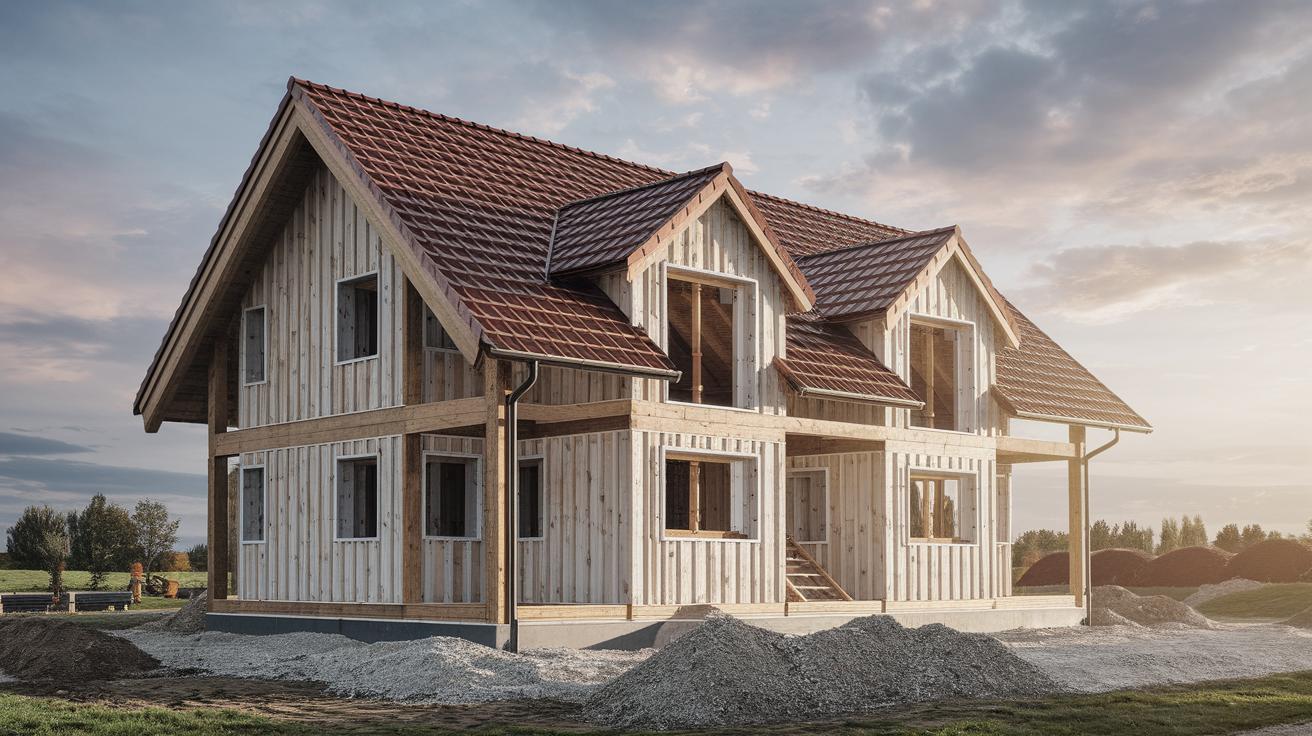
The Impact of Technology on Modern Construction
The modern construction industry is being reshaped by technological advancements ranging from software to innovative hardware solutions. This blog post delves into the various ways technology is influencing construction, enhancing efficiency, safety, and sustainability. We’ll explore the current market landscape, delve into eleven groundbreaking technologies revolutionizing how we build, and discuss how data analytics is driving smarter decisions in construction. Furthermore, we will examine the wise investment in construction software development, conclude with frequently asked questions about site technologies, and highlight challenges seen in areas like hospitality construction. These insights shed light on construction’s future in the digital age.
Articles
In this section, we dive into how technology is revolutionizing the construction industry, with a specific focus on the new technologies shaping the future. This transformation involves different stakeholders and is influenced by current market trends, demands, and challenges the industry faces.
Related People
The integration of technology in construction is largely driven by professionals like software developers, civil engineers, and project managers who work together to implement innovative solutions. Furthermore, construction firms’ executives play a critical role in adopting these technologies to improve project outcomes. These individuals leverage their expertise to adopt and scale technologies, ensuring construction projects are completed safely and efficiently while minimizing costs.
Thought leaders in technology and construction are essential for the successful integration of these innovations. As advocates for digitization, they influence the industry’s direction, pushing for policies that encourage technology adoption, training programs for skill development, and the introduction of new and disruptive technologies that can offer a competitive edge.
Construction Market Overview
The global construction market is undergoing a metamorphosis, driven largely by technological innovation. Digital tools and smart technologies are enabling companies to streamline operations, enhance productivity, and reduce waste. The construction sector’s digital transformation is a response to growing demands for faster and more cost-effective construction processes.
As the construction market becomes increasingly globalized, technologies like Building Information Modeling (BIM), drones, and IoT devices are emerging as standards rather than exceptions. The industry is anticipated to continue growing as more firms embrace digital solutions to meet client needs and overcome challenges such as labor shortages and environmental regulations.
11 New Construction Technologies
Project Management Software
Project management software is revolutionizing how construction projects are planned and executed. These digital tools allow for precise scheduling, resource management, budgeting, and communication among teams. By centralizing data and tasks, these platforms enable more efficient project lifecycles and reduce the risk of costly errors.
Furthermore, such software fosters collaboration across geographically dispersed teams, facilitating real-time project updates, document sharing, and transparency in operations. As a result, construction projects become more predictable and risk management is enhanced, leading to higher client satisfaction rates.
Virtual and Augmented Reality
Virtual Reality (VR) and Augmented Reality (AR) are immersive technologies changing the face of construction by providing detailed visualizations of projects before ground is broken. Architects and designers can explore digital models in real-time, identifying potential issues and making informed decisions early in the project lifecycle.
VR and AR also enhance training processes by simulating real-life construction scenarios, improving safety standards and operator proficiency. These technologies not only enhance design accuracy but also enable clients and stakeholders to visualize the end product, fostering clarity and trust in project outcomes.
Generative AI
Generative AI holds the potential to revolutionize architectural design and construction planning. These AI models can generate various design alternatives rapidly, providing architects with innovative options optimized for functionality, aesthetics, and sustainability.
AI’s capability to predict outcomes based on large datasets enables better forecasting in construction schedules and budgets. These insights help firms make data-driven decisions that improve efficiency, reduce costs, and enable the creation of adaptable, future-proof structures.
Drones
Drones have become indispensable tools in modern construction, offering aerial surveys and topographical mapping with unprecedented precision. This technology allows for rapid site assessments, reducing the time and labor involved in traditional surveying methods.
Moreover, drones improve safety by accessing hard-to-reach areas and are used for ongoing project inspections, ensuring that progress aligns with plans and identifying any deviations early on. This use of drones leads to more accurate project deliverables and minimizes delays.
Construction Robotics and Automation
Automation through robotics is transforming construction sites by taking on tedious and repetitive tasks, reducing labor costs, and enhancing worksite safety. Robots can lay bricks, pour concrete, and conduct quality inspections, allowing human labor to focus on complex tasks.
The precision and efficiency of robotics reduce waste and enhance productivity. The integration of robots during construction can lead to shorter project timelines and more controlled budgeting, creating long-term economic benefits for construction companies.
Blockchain Technology
Blockchain offers promising solutions in construction, particularly in the management and security of contracts and payments. This technology provides an immutable and transparent ledger for recording transactions, which can significantly reduce disputes over payment and project delivery.
Smart contracts enabled by blockchain automate contract execution and ensure that all project stakeholders adhere to agreed terms. These contracts enhance trust among parties and streamline administrative processes, contributing to smoother project management.
Digital Twin
Digital Twin technology creates a virtual replica of physical assets, allowing for detailed monitoring and management throughout a building’s lifecycle. This technology enhances predictive maintenance, reducing downtime and extending asset longevity.
By simulating scenarios, digital twins enable stakeholders to optimize design choices and resources, leading to better decision-making and smarter, more sustainable construction processes.
3D Laser Scanner
3D laser scanners provide precise measurements for building and construction, facilitating accurate mapping and modeling. These tools generate detailed point clouds, which are crucial for quality control and ensuring new structures align precisely with plans.
Beyond accuracy, 3D scanners improve efficiency by reducing the need for manual measurements and increasing the speed of data collection, contributing to better project timelines and resource allocation.
4D Simulation
4D simulations integrate time as a fourth dimension into 3D models, enabling comprehensive scheduling and sequencing visualizations for construction projects. This technology aids project managers in planning more effective construction sequences and reducing potential conflicts.
4D simulation enhances communication with stakeholders, offering an intuitive illustration of project phases and aiding faster decision-making. This comprehensive view allows project managers to optimize workflows and improve project delivery times.
Building Information Modelling
Building Information Modeling (BIM) remains a cornerstone of modern construction technology, providing essential insights into project lifecycles. BIM facilitates comprehensive documentation and real-time data sharing, improving collaboration among different teams.
The integration of BIM reduces inconsistencies in project documentation, ensuring that every stakeholder operates with the same up-to-date information, thus mitigating errors and streamlining construction processes toward successful project outcomes.
3D Printing
3D printing is pushing the boundaries of what is possible in construction, allowing for the creation of complex structures with unprecedented speed and efficiency. This technology reduces material waste and enables customization in design that was once economically unfeasible.
The versatility of 3D printing can lead to innovative architectural designs, shorter construction times, and improved sustainability by employing eco-friendly materials. This innovation heralds a pivotal shift in the industry, promising cost-effective and sustainable construction methods.
Data Analytics in Construction Technology
Data analytics is at the heart of construction technology, empowering decision-makers with insights that optimize operations and drive strategic planning. By analyzing data from IoT devices, project management software, and other digital tools, companies can predict trends, manage risks, and improve efficiency.
The integration of data analytics facilitates real-time monitoring of worksite conditions and resources. This technology enables firms to adapt quickly to unforeseen challenges, ultimately resulting in smarter asset management and effective project delivery.
How to Invest in Construction Software Development Wisely
Investing in construction software development necessitates a strategic approach, focusing on the needs of both the company and its clients. It’s crucial to identify software solutions that align with your operational goals, integrating smoothly with existing systems to enhance overall productivity.
Moreover, prioritizing scalability and customization in software ensures it can grow and adapt with your business needs. Leveraging stakeholder feedback and industry trends is vital in making informed investment decisions that maximize returns and future-proof your operations.
FAQ
What are construction site technologies?
Construction site technologies encompass various digital tools and innovations that enhance construction processes, including project management software, IoT devices, drones, and augmented reality. These technologies aim to improve efficiency, safety, and communication on construction sites.
What are the examples of technologies in construction?
Examples include drones for surveying, BIM for modeling, VR and AR for design visualization, and robotics for automation. These technologies collectively enhance accuracy, streamline operations and pave the way for more sustainable construction practices.
What is the role of software in construction site technology?
Software plays a pivotal role by centralizing data management, enhancing collaboration, monitoring progress, and optimizing resources. It is essential in managing project lifecycles efficiently and ensuring that all stakeholders have access to real-time information.
Is BIM a construction site technology software?
Yes, BIM is a software that helps create and manage digital models of construction projects, facilitating information sharing and collaboration among project stakeholders. It improves accuracy, reduces risks, and optimizes project outcomes.
Challenges in Hospitality
The hospitality sector faces unique challenges, such as fluctuating market demands and heightened competition, which require agile construction solutions. In addressing these challenges, technology adoption becomes crucial for creating flexible, sustainable, and cost-effective solutions.
Incorporating smart construction technologies can significantly improve project timelines and reduce costs, helping hospitality projects remain competitive. These technologies also support sustainable practices, meeting modern environmental standards and enhancing guest experiences through innovative designs.
Final Thoughts
| Section | Summary |
|---|---|
| Construction Market Overview | The construction market is globalizing, increasingly adopting digital solutions to meet modern demands efficiently. |
| 11 New Construction Technologies | Technologies such as BIM, drones, and AI are transforming construction through enhanced efficiency and reduced costs. |
| Data Analytics in Construction | Utilizing analytics allows for better decision-making through real-time data monitoring and risk management. |
| Investing in Construction Software | Strategic investment in scalable, customizable software is vital for operational growth and industry competitiveness. |
| Challenges in Hospitality | Adopting technological solutions in hospitality can improve project timelines and sustainable practices. |