Enhancing Building Aesthetics with Facade Design
Facade design plays a crucial role in the overall aesthetics and appeal of a building. This blog post explores the impact of architectural facade design on home aesthetics, the importance of selecting the right design, and the influence of colors and materials. We delve into different design patterns, including modern and traditional styles, offer creative design ideas, and examine the role of decorations and roofs. You’ll gain insights on how these elements combine to create stunning visual effects that enhance the value and charm of a property, ultimately making your home or building stand out.
10 Jan The impact of architectural facade design on home aesthetics
Architectural facade design significantly impacts the visual appeal and character of a building. It is the first impression that onlookers have of a property, shaping perceptions and creating a lasting impact. A well-designed facade can transform an ordinary building into an exceptional one, while a poorly thought-out design can diminish its aesthetic value.
Facades are more than just decorative; they reflect the personality and lifestyle of the inhabitants. They serve as a canvas where creativity meets functionality, integrating various architectural elements to achieve an eye-catching appearance. Whether for residential homes or commercial structures, the right facade design can elevate a building’s stature, making it a subject of admiration and discussion.
The importance of choosing the right architectural façade design
Choosing the right architectural facade design is paramount in ensuring harmony between a building and its environment. It involves considering factors such as local climate, cultural influences, and intended use of the building. By aligning the facade design with these factors, one ensures the structure not only stands out but is also practical in its context.
Investing thought into facade design promotes sustainability and energy efficiency. Through choices in materials, insulation, and shading, architects can create facades that enhance natural ventilation, thereby reducing reliance on artificial heating and cooling systems. Ultimately, the right design contributes to the environmental performance of a building while maintaining its aesthetic allure.
Basic Interface Design Patterns
Modern interface design
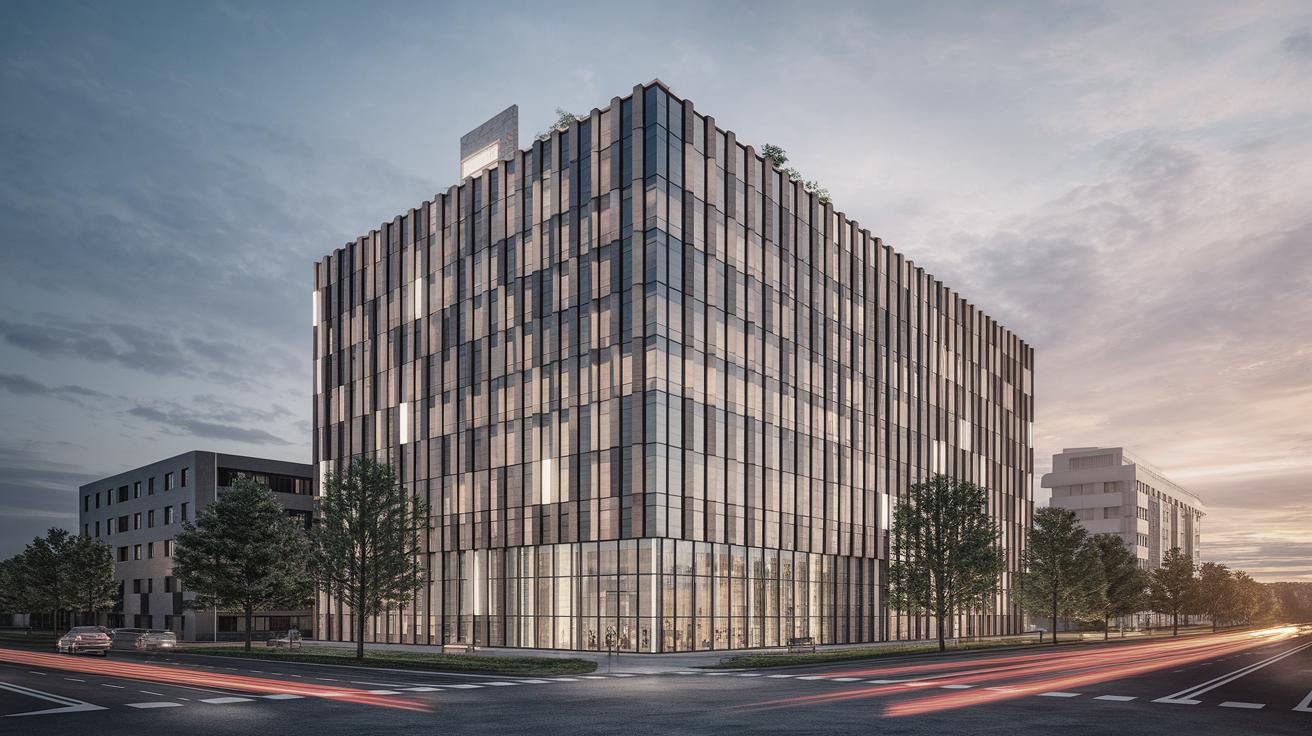
Modern interface design patterns encapsulate sleekness, minimalism, and innovation. Characterized by clean lines, large glass panels, and an emphasis on open spaces, these elements are often used in contemporary buildings to create a futuristic look. Modern facades often incorporate cutting-edge materials such as aluminum, steel, and high-performance glass, which not only enhance the aesthetic appeal but also contribute to the building’s energy efficiency.
Elements like large windows or dynamic shapes add a sense of openness and connectivity with nature, which is particularly pleasing in urban settings. The challenge lies in balancing the aesthetic demands with functional technicalities to provide comfort and utility to the inhabitants. Through intelligent design, modern facades can offer both stylish and functional living spaces.
Traditional and Classical Facade Design
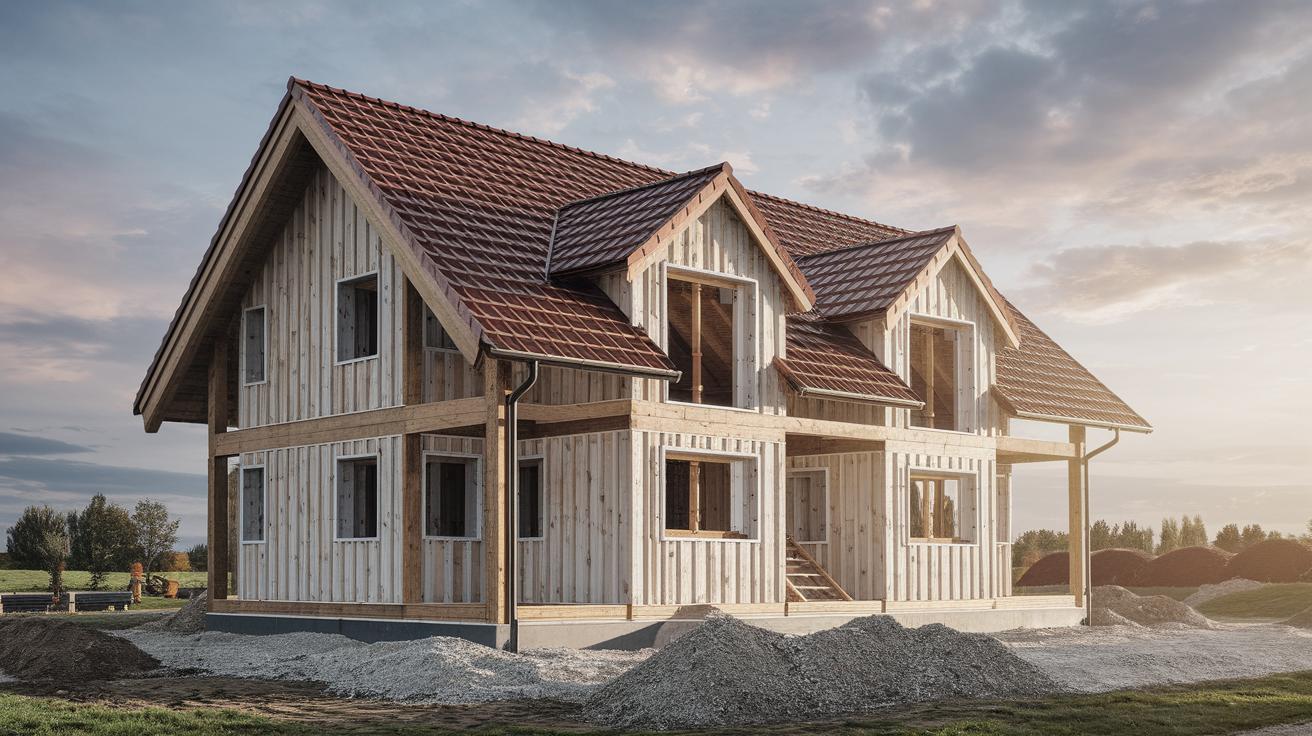
Traditional and classical facade designs are rooted in historical aesthetics, representing a timeless appeal that never goes out of style. These facades often incorporate elements such as columns, cornices, and detailed moldings that reflect the architectural preferences of bygone eras. By applying classic design principles, these facades communicate elegance and sophistication.
While maintaining their historical essence, these designs can be adapted to incorporate modern elements and materials, thus bringing forth a harmonious blend of old-world charm and contemporary functionality. This fusion not only preserves cultural heritage but also provides modern-day comfort and energy efficiency.
The impact of colors and materials on facade design
Colors and materials are pivotal in defining the character and aesthetic of a building’s facade. They have the power to transform a structure’s appearance significantly. A strategic color palette can highlight architectural features, create contrast, and evoke emotions. For instance, warm tones may create a welcoming atmosphere, while cooler tones can project a sense of calmness and stability.
Materials are the building blocks of facade design; their textures, durability, and thermal properties are key considerations during the design process. From natural stone and brick to modern composites and metals, every material brings unique attributes to a facade. The selection dictates not just the aesthetic outcome but also the performance maintenance of the building over its lifespan.
Creative Facade Design Ideas
Creative facade designs are often what set a building apart and make it memorable. These can range from abstract geometrical patterns to dynamic shapes and textures that play with light and shadow. Vertical gardens, wooden slats, and intricate latticework can add depth and complexity, transforming the ordinary into extraordinary.
Another innovative approach includes using interactive facades, which respond to environmental changes such as light, heat, and wind. These adaptive facades engage with their surroundings in real-time, reflecting advancing technology’s role in modern architecture. The key is to approach the facade not just as a barrier but as a canvas for creativity.
The effect of decorations and roofs on the façade
Decorations such as window frames, shutters, and decorative moldings add detail and character to a building’s facade. Balancing these ornamental elements is essential to avoid an overly cluttered appearance. When executed correctly, these embellishments can enhance the aesthetic by drawing attention to specific architectural features.
Roofs also play a crucial role in the overall composition of the facade. Their design can dictate the building’s silhouette and visual impact. Whether opting for a traditional pitched roof or a contemporary flat one, the roof should complement the facade’s style and materials, ensuring a cohesive and harmonious exterior appeal.
Lessons Learned
| Aspect | Key Points |
|---|---|
| Influence of Facade Design | Defines building’s character, first impression, integration of design elements, enhances value. |
| Choosing the Right Design | Importance of environmental harmony, contribution to sustainability, cultural reflection. |
| Design Patterns | Modern focuses on sleek lines and energy efficiency; traditional conveys timeless elegance. |
| Colors and Materials | Define character, affect perception, material choice dictates durability and thermal performance. |
| Creative Ideas | Explore unique textures, shapes, interactive and adaptive facades. |
| Decorations and Roofs | Emphasize architectural features, ensure cohesive design with roof choice complementing the facade. |