Benefits of Using Drone Technology in Construction
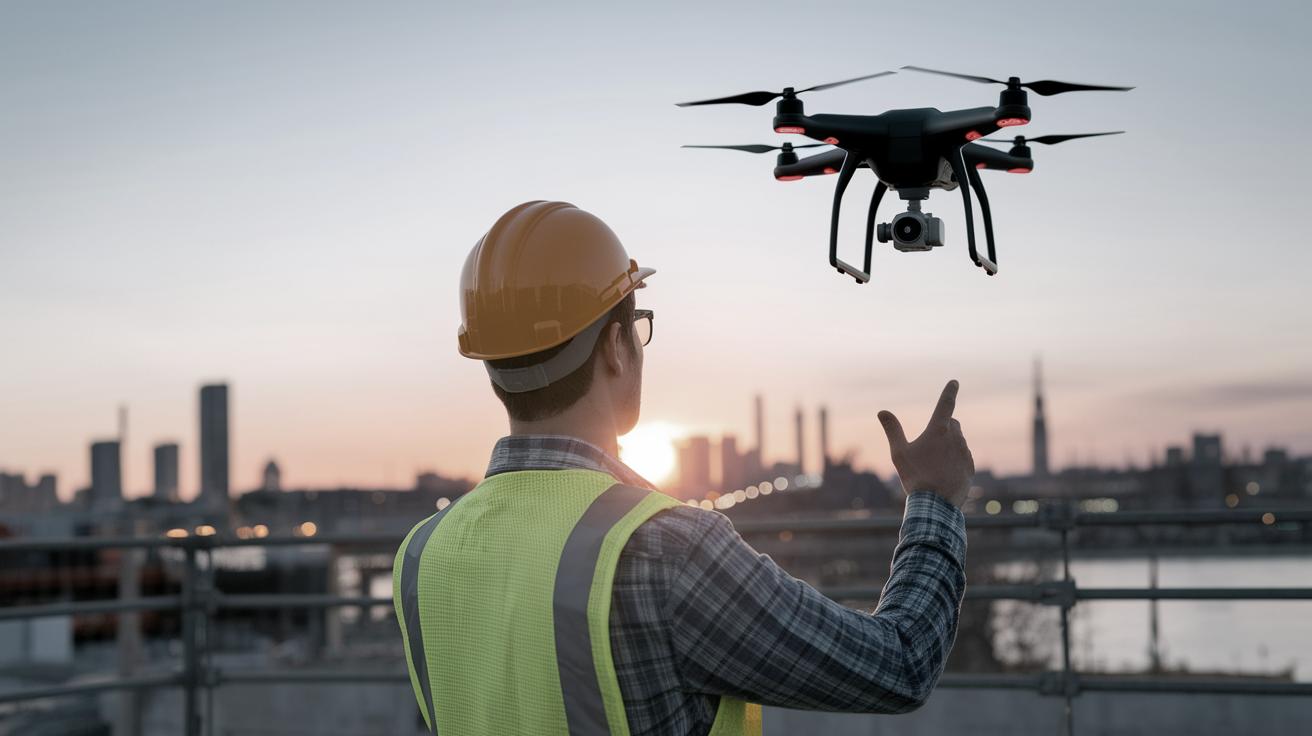
In today’s fast-paced construction industry, the adoption of technology is a game-changer. Drones, or Unmanned Aerial Vehicles (UAVs), are enhancing various aspects of the construction process, from initial site surveys to project completion and beyond. This blog post explores the wide-ranging benefits of implementing drone technology within the construction sector, touching on aspects such as improved safety, enhanced productivity, effective equipment management, and more. Whether you’re a project manager, site engineer, or involved in construction marketing, understanding the impact of drones can transform the way you work and can be an investment in future project success.
Fluix and Construction UAV Implementation
Fluix, a leading software provider, offers innovative tools that seamlessly integrate with drone technology to enhance construction operations. Through smart data collection and analysis, UAVs equipped with Fluix’s solutions allow for real-time insights and effective decision-making across various construction stages. By supporting effective collaboration and data-sharing, Fluix ensures that all stakeholders are aligned and can contribute to the project’s success. Leveraging these technologies can revolutionize construction practices, making them more efficient, safe, and reliable.
Construction businesses looking to stay ahead need to integrate UAV technology with platforms like Fluix to streamline processes and boost productivity. Whether it’s sharing data quickly or analyzing complex site information from the air, the combined power of drones and Fluix empowers construction teams at each stage of the project.
1. Pre-Construction and Initial Site Surveys
Drones play a critical role during pre-construction by enhancing site surveys. Fast, accurate aerial data collection enables clearer understanding of site conditions and topography. Traditional survey methods can be time-consuming and limited in scope, whereas UAVs cover large areas swiftly, providing comprehensive data that helps in creating precise site plans and documentation.
Moreover, aerial surveys with drones can significantly cut time and resource costs. With their ability to achieve high-resolution imaging and mapping with technologies like LiDAR and photogrammetry, drones ensure teams are well-prepared before breaking ground. This enhanced site analysis is pivotal for efficient planning and addressing potential challenges early in the project.
2. Construction Inspection and Project Monitoring
During the construction phase, drones offer an unmatched vantage point for continuous project monitoring and inspection. By capturing real-time aerial footage, teams can track progress, ensure compliance with design specifications, and identify potential setbacks or discrepancies on-site. This ongoing assessment ensures projects remain on schedule and within budget.
Besides monitoring progress, drones facilitate faster and safer inspections of hard-to-reach areas. Regular inspections from an aerial view also help detect issues that might be missed on the ground, enhancing quality control and expediting problem-solving efforts, ultimately leading to superior construction outcomes.
3. Boosted Productivity and Accountability
By automating routine tasks like data gathering and site mapping, drones free up human resources, allowing workers to focus on more high-value activities. The precise data captured helps in refining schedules and aligning resources with project needs, boosting site productivity and efficiency.
The insights provided by drones also foster greater accountability. Real-time data sharing ensures all team members and stakeholders are informed, promoting transparent communication and informed decision-making. This data-driven approach supports better project management and enhances accountability across construction workflows.
4. Equipment Management and Tracking
Effective equipment management is critical for maintaining construction productivity. Drones play a pivotal role by providing an aerial overview of equipment usage, helping site managers understand how machinery and assets are being utilized. This comprehensive view can prevent the underutilization of resources and hasten asset allocation where needed.
Furthermore, UAVs enable regular checks on equipment conditions, spotting signs of wear or need for maintenance. By identifying such needs promptly, drones help prevent equipment downtime, ensuring unimpeded project progress, cost control, and adherence to project timetables.
5. Improved Safety Management and Coordination
Safety is paramount in construction, and drones contribute significantly by reducing the need for workers to perform dangerous tasks like high climbs and inspections. By providing detailed images from above, drones reduce on-ground hazards and offer safer alternatives for task performance.
Beyond minimizing risks, UAVs aid in safety audits by offering comprehensive overviews of site conditions. With detailed aerial data, safety coordinators can better assess risks and enforce safety protocols, leading to an overall safer work environment and reduced incidents.
6. Site Security and Surveillance
Unauthorized access or theft is a common concern on construction sites, but drones enhance security efforts via persistent surveillance. With their ability to cover large areas quickly and frequently, UAVs provide up-to-date intelligence on site activity and detect unauthorized movements.
Implementing a drone-based security system can deter potential breaches and prevent losses. By offering detailed, real-time surveillance and immediate alerts, drones contribute to a secure site environment, maintaining resource integrity and supporting a streamlined project timeline.
7. Construction Marketing and Lifecycle Operations
The marketing potential of drones is vast, allowing companies to showcase their capabilities and project progress through dynamic aerial visuals. Capturing high-quality images and videos from drones presents construction innovations and achievements spectacularly, which can be leveraged in promotional material or client presentations.
Furthermore, the lifecycle operations of a construction project—post-construction monitoring, maintenance, and facility management—can also benefit from drone applications. By providing detailed, continuous updates, drones ensure efficient transitional phases and sustained operational success.
Let Your Drone Crews Collaborate On Projects Easily
For effective integration of drone technology, collaboration tools and strategies are essential. Platforms allowing seamless data-sharing and communication streamline drone operations, ensuring that all team members have access to essential insights and updates.
Advanced collaborative tools allow teams to optimize data-driven decision-making, making sure each member can contribute effectively to project goals. With organized collaboration, drones can serve as a powerful asset in maintaining project alignment and meeting goals efficiently.
Subscribe to Fluix Newsletter.
Stay updated with the latest in drone technology and construction innovations by subscribing to the Fluix newsletter. Our monthly insights provide valuable information, tips, and updates that can enhance your construction projects and keep you ahead in the industry.
Final Thoughts
| Benefits | Description |
|---|---|
| Pre-Construction Surveys | Enhances site understanding with comprehensive data collection. |
| Project Monitoring | Ensures ongoing assessment of construction progress and quality. |
| Productivity and Accountability | Streamlines processes for efficiency and transparent team communication. |
| Equipment Management | Optimizes resource utilization and prevents downtime. |
| Safety Management | Reduces hazards and enhances risk assessment protocols. |
| Site Security | Provides reliable surveillance and security monitoring. |
| Marketing and Operations | Creates engaging promotional material and supports lifecycle management. |