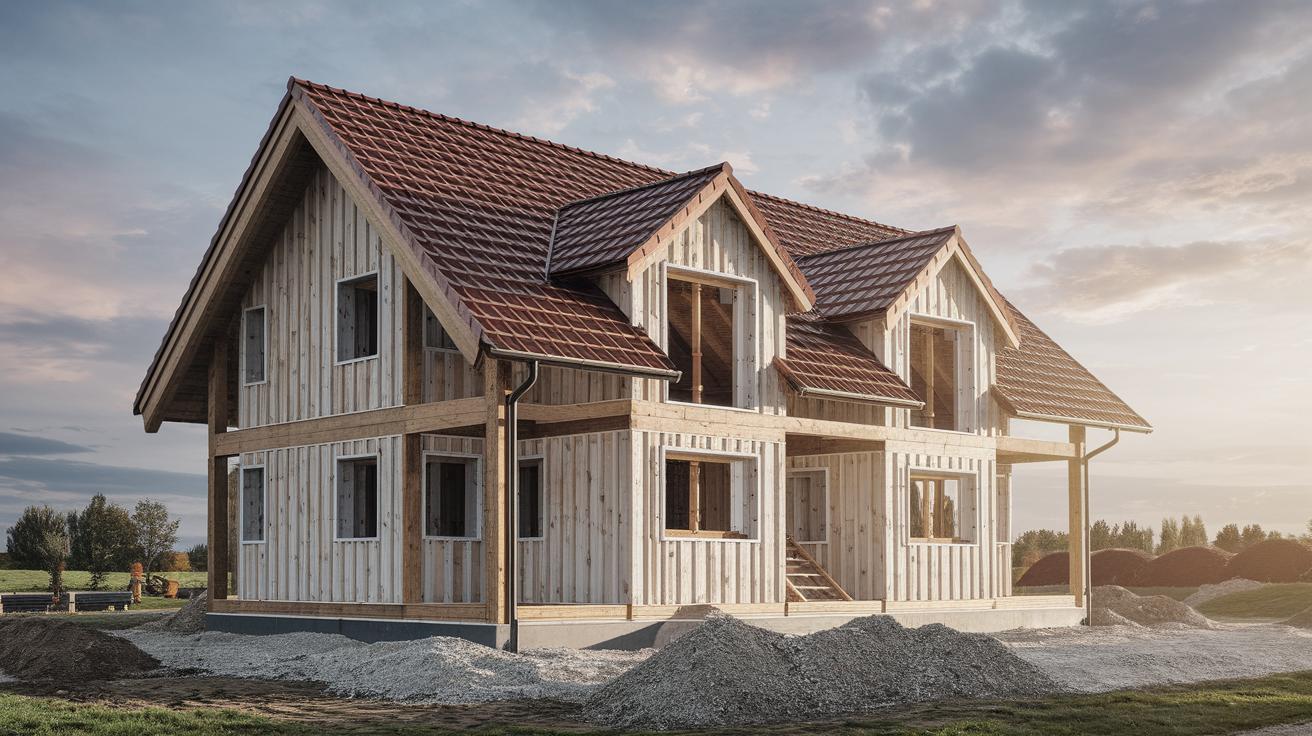
How To Manage Client Expectations in Construction
Managing client expectations is a fundamental aspect of any renovation project. Effective communication, transparency, and a focus on relationship building can transform a stressful process into a smooth and successful experience for both the client and project team. In this blog post, we will explore key strategies to establish realistic goals, offer detailed initial estimates, provide regular updates, solicit feedback, and build personal relationships with clients. By mastering these approaches, professionals can ensure that projects are completed on time, within budget, and to the satisfaction of everyone involved.
1. Establish realistic goals
From the onset, setting realistic goals is crucial to avoid misunderstandings and discrepancies down the line. Clients often have visions that may not align with budget constraints, timelines, or structural realities. It is the responsibility of the project manager or renovating professional to help clients understand what can realistically be achieved given these parameters.
Setting practical timelines is often a challenge, but a necessary task. It’s important to breakdown the project into different phases and provide a timeframe for each section. Align these timelines with potential obstacles or delays, making sure to communicate potential risks early on. Opening a dialogue about expectations early can foster a cooperative atmosphere that minimizes frustrations as the project unfolds.
2. Offer detailed initial estimates
Providing clients with a detailed and accurate initial estimate sets the foundation for trust and transparency. This document should outline comprehensive project costs, including material, labor, permits, and unforeseen contingencies. Avoid sugar-coating or underestimating to win a bid; instead, aim for accuracy and honesty to prevent financial surprises.
In addition to costs, presenting a clear scope of work with major milestones and deliverables is imperative. This helps clients understand the different phases and expected outcomes of the project. Effective estimations not only safeguard against mid-project financial dilemmas but also assist in setting realistic goals concerning time and scope.
3. Provide regular status updates
Regular communication is key to maintaining client confidence throughout the project. Weekly or bi-weekly updates covering progress, challenges, and upcoming works keep the client engaged with the process. It’s wise to establish a preferred method of updates—whether email summary, phone, or face-to-face briefing. This ensures the client feels included and informed.
Incorporating visual aides such as progress photos, charts, or timelines can also enhance understanding. Clients appreciate transparency when it comes to setbacks or delays. When conveying issues, it’s helpful to focus also on solutions and the plan of action, maintaining a forward-thinking approach and client assurance.
4. Ask for feedback
Soliciting feedback is a critical step in maintaining client satisfaction throughout the renovation journey. Inviting their comments and concerns encourages open dialogue and can help address issues promptly before they become major setbacks. It also makes clients feel valued and heard, promoting a positive working relationship.
Constructive criticism may direct the team toward overlooked aspects of the project or alternative solutions that may better suit the client’s needs. Schedule regular intervals throughout the project for formal feedback, and encourage ongoing communication for any emerging concerns or suggestions. A client-centric approach can significantly enhance project outcomes.
5. Build a personal relationship with the client
Building a personal relationship with clients extends beyond professional duty; it involves a genuine interest in understanding their aspirations, lifestyle, and preferences. Taking the time to know the client on a personal level can align project goals with personal taste and provide a more personalized service.
This relational aspect is fostered through active listening, empathy, and adaptability. By tailoring communication, style, and updates to the client’s personality and preferences, professionals can create a rapport that sets the stage for a harmonious working environment. Trust, when solidified through these connections, assures clients that their project is in capable and caring hands.
Final thoughts
| Strategy | Description |
|---|---|
| Establish realistic goals | Set achievable timelines and expectations through early discussions and clear goal-setting. |
| Offer detailed initial estimates | Present accurate cost estimates and project scopes to avoid future surprises. |
| Provide regular status updates | Maintain client confidence with consistent communication and transparency. |
| Ask for feedback | Encourage client input and address concerns promptly to improve satisfaction and outcomes. |
| Build a personal relationship with the client | Enhance services by engaging with clients personally, fostering trust and understanding. |