The Advantages of Mixed-Use Building Projects
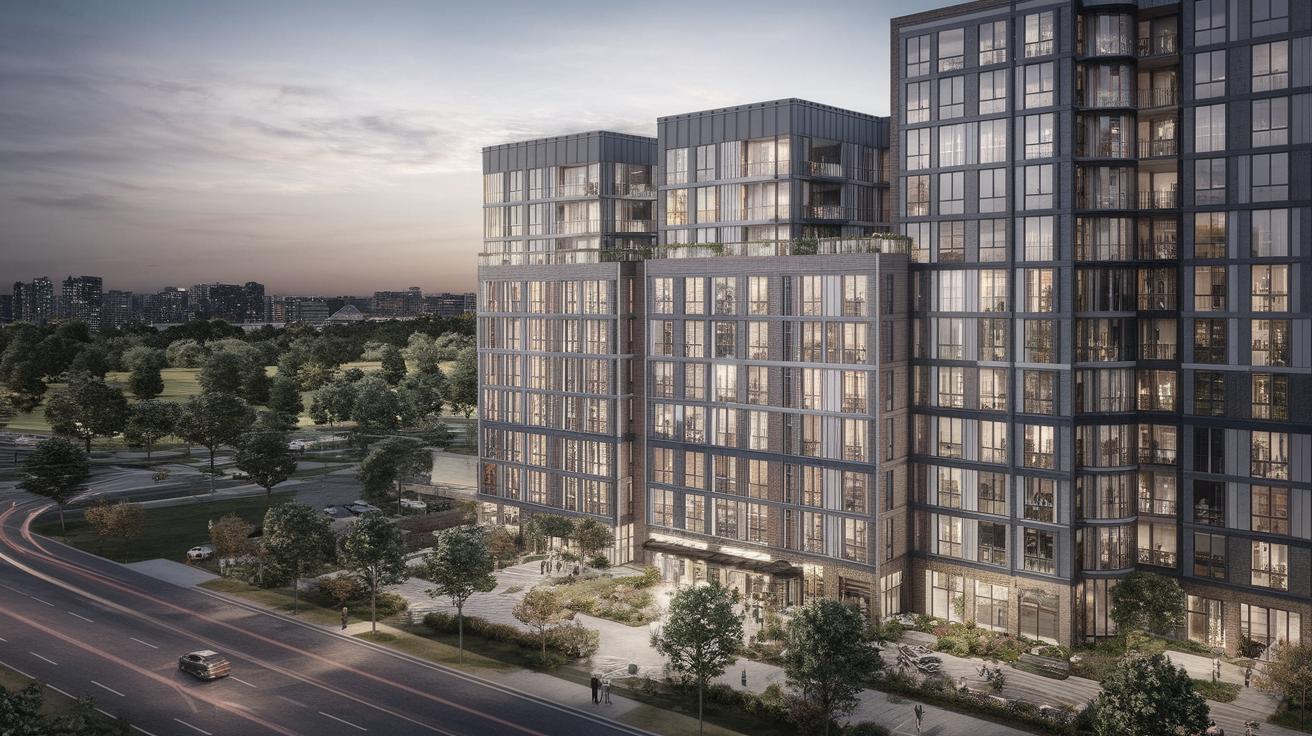
In the evolving landscape of urban development, mixed-use building projects have emerged as a strategic response to the complexities of modern city living. These projects ingeniously integrate residential, commercial, and sometimes even industrial spaces within a single framework, offering an array of advantages. From fostering community growth and optimizing resource use, to enhancing economic vitality and promoting sustainable living, mixed-use developments provide multifunctional benefits that align with contemporary urban needs. In this blog post, we delve into the various advantages of mixed-use projects under key thematic aspects such as community synergy, economic advancement, convenience, sustainability, durability, and innovation. Each section highlights the transformative potential of mixed-use infrastructures in cultivating thriving and sustainable urban environments.
Growing together
The concept of mixed-use developments fosters a sense of community by combining residential, commercial, and recreational spaces. These projects help integrate diverse groups of people by encouraging interactions among residents, local businesses, and visitors, leading to vibrant and dynamic communities. This harmonious blend of uses breaks down social barriers and fosters a sense of belonging and engagement among residents.
Additionally, mixed-use projects promote walkability and pedestrian-friendly environments. They reduce the reliance on cars by providing easy access to amenities, public transportation, and green spaces, leading to healthier lifestyles and less traffic congestion. As people live close to work, school, and leisure activities, they spend more time interacting with their neighbors and participating in community events, ultimately strengthening social bonds.
Teamwork for the win
Mixed-use developments foster collaboration by bringing together a diverse range of stakeholders, including developers, architects, planners, businesses, and residents. This collaborative effort results in projects that cater to the needs and desires of all parties involved, ensuring the creation of balanced and cohesive communities. By embracing a variety of perspectives, mixed-use projects can effectively address infrastructure, accessibility, and sustainability challenges.
Moreover, public-private partnerships often emerge in mixed-use developments, where government authorities and private investors work hand in hand to deliver comprehensive urban solutions. By pooling resources and expertise, these collaborations not only produce successful projects but also create resilient neighborhoods equipped to face future social and economic challenges.
Making money moves
Mixed-use building projects can be lucrative for developers and investors. By effectively utilizing available land and resources, these projects generate higher financial returns than single-use developments. Rents, sales, and leases in mixed-use environments can often yield better revenue due to the increased foot traffic and diverse range of tenants [all drawn to the variety and convenience offered by such projects.
In addition to strong real estate performance, mixed-use developments contribute significantly to local economies by creating jobs and stimulating business growth. The combination of retail, offices, and residential spaces attracts a diverse range of consumers and service providers. This economic vitality leads to thriving urban centers that support sustainable community growth.
One stop, many benefits
Mixed-use developments offer the convenience of having everything one needs within walking distance. By integrating residential areas with commercial spaces, residents can enjoy easy access to essential amenities such as grocery stores, restaurants, and healthcare facilities. This convenience simplifies daily routines while reducing travel time and expenses.
Furthermore, mixed-use environments often feature recreational and cultural spaces that enhance the quality of life for residents and visitors alike. Access to parks, theaters, galleries, and other attractions contribute to vibrant communities where people can work, live, and play all in one place, fostering a sense of satisfaction and well-being.
Green living
Sustainability is a core principle of mixed-use developments, as they emphasize resource efficiency and eco-friendly urban planning practices. By reducing reliance on automobiles and encouraging the use of public transportation, walking, or biking, these projects substantially lower carbon emissions and promote healthier air quality.
Moreover, mixed-use projects frequently incorporate green building technologies and systems to minimize energy consumption and waste production. By optimizing the use of shared spaces and resources, these developments contribute to environmental conservation and set new standards for sustainable urban living.
Built to last
The design and construction of mixed-use developments often prioritize durability and adaptability. These projects are built to withstand changing economic and social landscapes, ensuring long-term viability and relevance. By catering to diverse needs, they can quickly adapt to shifts in market demand, demographic preferences, and technological advancements.
Further, mixed-use buildings generally incorporate high-quality construction materials and techniques to ensure the longevity and resilience of the structures. This attention to detail contributes to maintaining property value and enhancing the overall living experience for residents over time.
Innovation hub
By integrating diverse functional spaces, mixed-use developments become catalysts for innovation. The dynamic environment encourages creative exchanges among entrepreneurs, local businesses, and residents, leading to the cross-pollination of ideas and the formation of new industries.
Furthermore, the integration of technology-driven solutions, such as smart infrastructure and sustainable building practices, sets the stage for forward-thinking urban spaces. By embracing digital advancements, mixed-use projects stay at the forefront of progress, ultimately shaping the future of urban living.
Lessons learned
| Subheading | Key Points |
|---|---|
| Growing together | Fosters community interaction, encourages walkability, strengthens social bonds. |
| Teamwork for the win | Promotes collaboration among stakeholders, public-private partnerships. |
| Making money moves | Higher financial returns, stimulates local economies and business growth. |
| One stop, many benefits | Convenience with access to amenities, offers recreational and cultural spaces. |
| Green living | Emphasizes sustainability, reduces carbon emissions, utilizes green technology. |
| Built to last | Durability and adaptability, high-quality construction, maintains property value. |
| Innovation hub | Catalyst for innovation, embraces technology-driven solutions. |