How to Integrate Sustainable Landscapes in Building Projects
Integrating sustainable landscapes in building projects is a critical step towards promoting environmental stewardship and enhancing the aesthetic and functional value of developments. This comprehensive guide explores the strategies to incorporate sustainable landscaping within construction designs, detailing the benefits of sustainable landscapes, the role of native plants, water-efficient systems, and innovative materials. Each section offers insights on overcoming challenges and showcases successful case studies to inspire future projects. Whether you’re a developer, landscape architect, or environment enthusiast, this piece provides actionable steps to achieve a harmonious blend of architecture and nature. Dive into achieving sustainability by employing techniques that renew our bond with the natural world, all while adhering to modern architectural needs.
Rate this article
Before delving deeper, consider how important sustainable landscapes are in building projects. These environments don’t just beautify spaces; they reduce carbon footprints and contribute positively to local ecosystems. Envision cities where urban growth goes hand-in-hand with environmental care. By embedding sustainable landscapes, urban planners and developers play a crucial role in addressing climate change and creating healthier communities.
Your feedback is crucial in understanding how these insights resonate with you. It helps us refine our approaches and tailor content that meets your interests and informational needs. Share your perspectives, and let’s enhance our understanding of sustainable landscape integration together.
Thanks for your feedback
We appreciate every piece of feedback we receive. It informs us about what you find most useful or intriguing, ensuring our future content is better aligned with your interests. Our goal is to cultivate a community keen on sustainability in architecture.
Understanding your views helps us refine our efforts and encourages us to explore new territories in sustainable building practices. Thank you for contributing to a shared vision of an environmentally responsible future.
Tell us more
As advocates for sustainable development, we are eager to hear how you implement or wish to incorporate similar systems in your projects. Whether influenced by regulatory needs or personal commitments to sustainability, the experiences you share can inspire others.
Consider describing any challenges encountered and how they were overcome. Were there any innovative techniques or strategies that proved particularly effective? Sharing these experiences creates a learning platform, propelling the movement toward integrating sustainable landscape designs.
More articles on Landscape Architecture
Our exploration doesn’t end here. Delve deeper into the world of landscape architecture by exploring related articles. From detailing the benefits of green roofing to introducing biophilic design principles, our resources serve as comprehensive guides.
Each piece aims to equip you with the knowledge to transform spaces into thriving ecosystems. By balancing modernity with nature, these articles unveil the potential of sustainable landscapes in redefining how we build and interact with our environments.
Are you sure you want to delete your contribution?
If you’re considering deleting your contribution, reflect on its value. Your insights provide unique perspectives that contribute to broader understandings and discussions around sustainable landscapes.
Remember, sharing experiences and knowledge benefits the community, inspiring others to adopt or adapt sustainable practices that could lead to meaningful environmental impacts.
Are you sure you want to delete your reply?
While privacy and personal preferences are important, consider whether deleting your reply might remove valuable insights from the dialogue. Each piece of shared information adds layers to our collective knowledge on sustainable practices.
Achieving sustainable building projects relies on diverse opinions and shared knowledge. Contributing your thoughts adds to a ripple effect that can influence and inspire real-world applications.
1
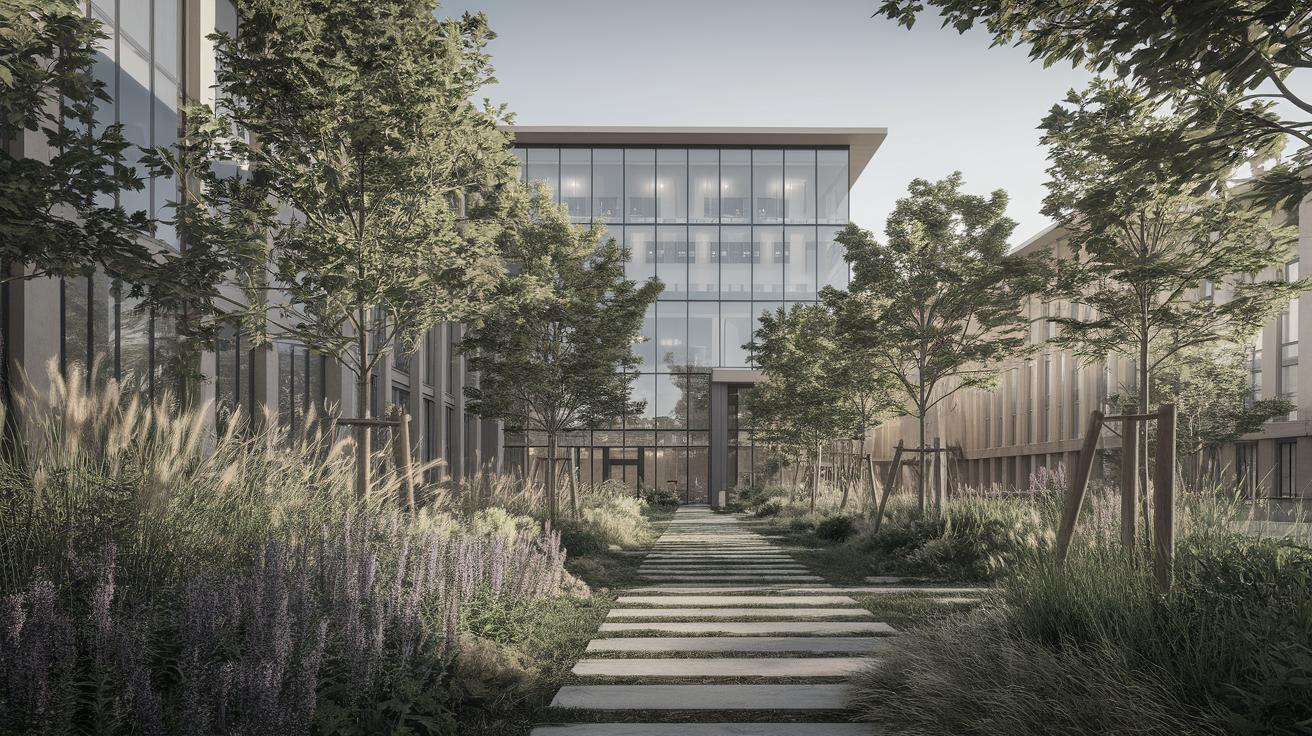
Begin by understanding sustainable landscape principles. These include prioritizing the use of native plants, conserving water through efficient irrigation systems, and incorporating renewable materials in construction. Native flora minimizes maintenance and supports local biodiversity.
Water conservation can be addressed through rainwater harvesting systems and utilizing drought-resistant plants that require minimal irrigation. Selecting materials like recycled composites or sustainably sourced wood further helps in reducing a project’s carbon footprint.
2
Designing with nature involves more than just plant selection. It encompasses the orientation of buildings to maximize natural light, reducing energy consumption, and integrating green roofs or vertical gardens for thermal benefits.
Urban areas can significantly reduce heat island effects by incorporating green spaces. These areas not only moderate temperatures but also improve air quality and provide habitats for urban wildlife. The strategic placement of plants and natural buffers can enhance microclimates within a development.
3
Engaging with the community during the planning phase ensures sustainable landscapes meet local needs. Collaborative approaches provide insights into area-specific challenges and opportunities, fostering ownership and commitment to the project’s success.
Community participation can unveil historical or cultural elements significant to a region, which can be subtly integrated into landscape designs. This intersection creates spaces that resonate with inhabitants and preserve cultural heritage.
4
Successful examples abound, demonstrating how to artfully integrate sustainable landscapes into urban settings. Consider projects like Singapore’s Gardens by the Bay, where nature and technology merge seamlessly.
Another prime example is New York’s High Line Park, transforming a derelict railway into a thriving green space trail for public enjoyment. These projects illustrate the successful blending of urban infrastructure with natural environments, promoting sustainability in densely populated areas.
5
Educating stakeholders about the benefits and returns on investing in sustainable landscapes is crucial. Long-term cost savings through reduced maintenance and energy usage, coupled with enhanced aesthetic and ecological value, make these projects financially viable.
Clear communication regarding environmental benefits, such as improved air and water quality and increased biodiversity, further justifies designs that emphasize sustainability. This education can significantly shift perspectives and priorities toward sustainable development.
6
Technology plays a pivotal role in developing sustainable landscapes. Smart irrigation systems and sensors can optimize water use, while Geographic Information Systems (GIS) aid in site analysis and landscape planning.
Advances in drone technology provide aerial insights into site conditions and facilitate precision in measuring and mapping, ensuring accuracy in landscape design. Technology streamlines processes and enhances the precision of sustainability efforts within construction projects.
7
Despite challenges like budget constraints or regulatory hurdles, commitment to sustainable landscapes remains key. Overcoming these challenges requires collaboration, innovation, and persistence.
Seek out case studies and best practices, leveraging them to overcome barriers in your project. Advocacy for policy shifts and increased funding toward green projects can also accelerate the transition toward more widespread adoption of sustainable landscapes in building projects.
Lessons learned
| Aspect | Key Takeaway |
|---|---|
| Narrowing Plant Choices | Choose native plants to reduce maintenance and conserve biodiversity. |
| Water Efficiency | Implement rainwater harvesting and efficient irrigation systems to conserve water. |
| Innovative Designs | Utilize green roofs and vertical gardens to enhance urban environments. |
| Community Involvement | Work closely with local communities to tailor projects to their unique contexts. |
| Use of Technology | Incorporate GIS and smart systems to optimize design and resource management. |
| Overcoming Barriers | Leverage collaborations and advocate for favorable policies to bolster sustainable projects. |